



SB Tactical Braces, What's the DIfference?
SB Tactical SBA3 vs. SBA4 vs. SBA5 vs. SBA6
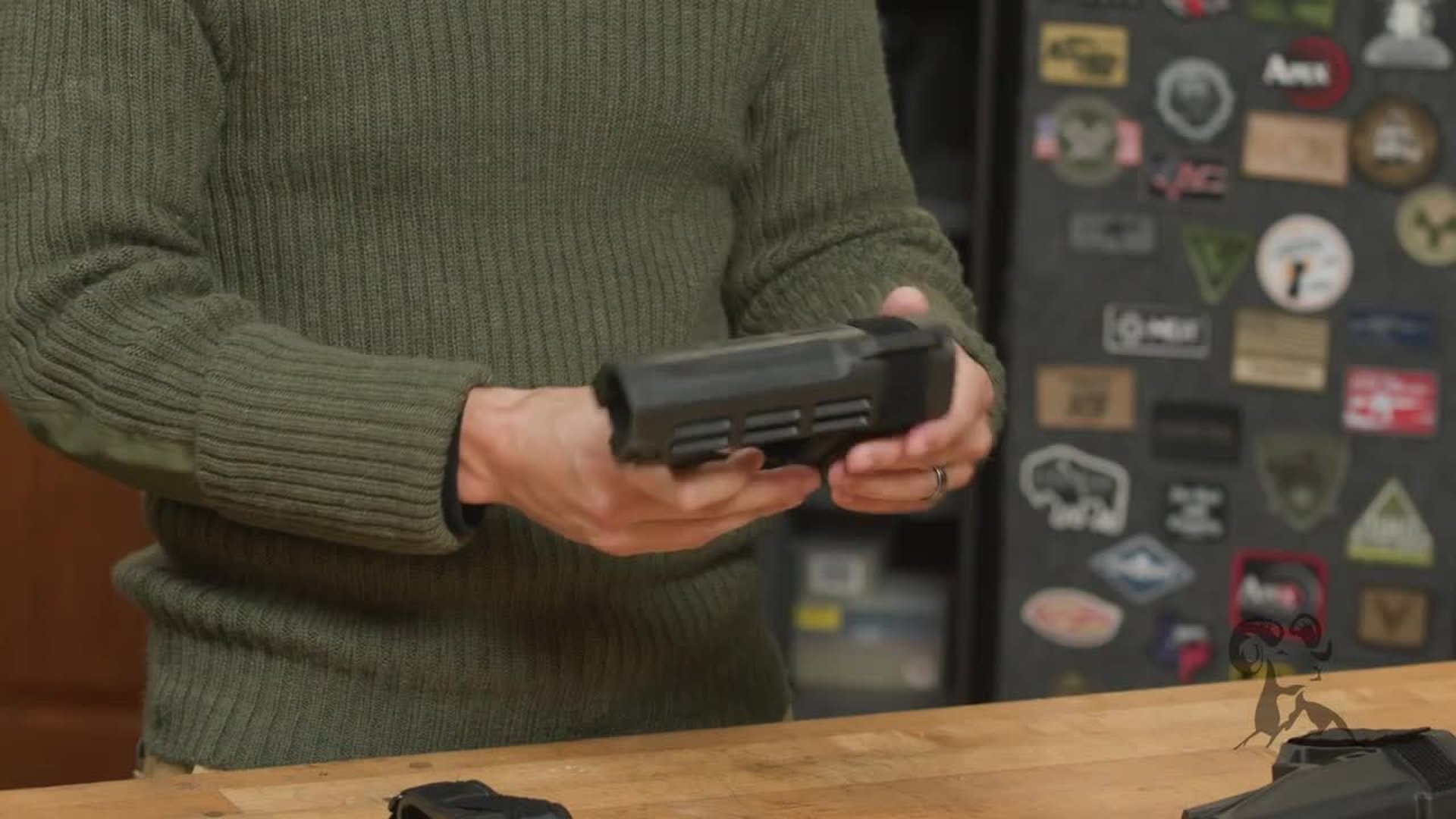
Caleb from Brownells takes a look at the differences between several SB Tactical pistol stabilizing braces.
SB Tactical makes braces for a variety of firearm configurations, but this comparison focuses on the SBA3, SBA4, SBA5, and SBA6 designed around mil-spec AR-15 receiver extensions.
Caleb also briefly shows a minimalist 1913 brace and a compact PDW-style option to illustrate some of the other configurations available.
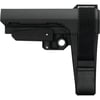
SB Tactical SBA3
The SBA3 is probably the most familiar brace in the group.
It installs on a mil-spec receiver extension and uses a straightforward adjustment system. The brace can be repositioned along the receiver extension to accommodate different arm lengths when used as a stabilizing brace.
The SBA3 also incorporates QD sling attachment points and the familiar stabilizing strap.
Of the models Caleb has on the bench, the SBA3 remains one of the more minimalist options.
A Note About Brace Configuration
Caleb points out that third-party accessories are available that can substantially change the configuration of a stabilizing brace.
How a firearm is configured can affect its legal classification. Regulations and interpretations can also change over time.
Before modifying a brace or configuring a firearm, check current federal, state, and local requirements and make sure the complete firearm remains legally configured.
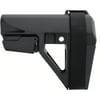
SB Tactical SBA4
The SBA4 takes a different approach from the relatively slim SBA3.
It's noticeably bulkier and provides a larger upper surface area. The design is vented to help manage weight and incorporates additional support struts along the lower portion.
Those struts add structure while retaining some flexibility.
The SBA4 also retains QD sling attachment points and a similar adjustment system.
For Caleb, the SBA3 and SBA4 aren't dramatically different from a functional standpoint. Size, shape, and personal preference become important factors when choosing between them.
SBA3 vs. SBA4
The easiest way to distinguish these two braces is by their overall profile.
The SBA3 is the slimmer and more minimalist design.
The SBA4 is larger and incorporates additional surface area and supporting structure.
Both are adjustable on compatible mil-spec receiver extensions and provide sling attachment options.
Which design makes more sense depends largely on the firearm configuration and the features the user wants.
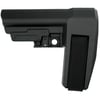
SB Tactical SBA5
The SBA5 combines characteristics of the SBA3 and SBA4.
It maintains a relatively low-profile shape while retaining a wider upper section and lower support struts.
Another visible difference is QD sling attachment placement. On the SBA5 shown in the video, the QD point is positioned toward the rear.
Caleb describes the SBA5 as something of a best-of-both-worlds option between the earlier designs.
Why Caleb Likes the SBA5
If Caleb were choosing one of the braces shown on the bench for a new pistol build, he says he'd lean toward the SBA5.
In the past, he generally preferred the SBA3.
The SBA5 retains much of the relatively compact character Caleb likes while incorporating features from the larger designs.
That makes it his current preference among the examples he has available for the comparison.
SB Tactical SBA6
The SBA6 is the one model Caleb doesn't physically have on the bench.
At the time of filming, Brownells hadn't received one yet, so Caleb uses an on-screen image to explain the design.
Based on the information available to him for the video, the SBA6 takes the concept in another minimalist direction.
SBA5 vs. SBA6
Caleb uses the SBA5 as the easiest reference point for explaining the SBA6.
The SBA6 changes the rear portion of the design and eliminates the lower support struts found on the SBA5.
The result is a different, more minimalist profile in certain areas while retaining the basic concept of an adjustable stabilizing brace for a mil-spec receiver extension.
Because Caleb doesn't have an SBA6 in hand for this video, his discussion is limited to the design information and imagery available at the time of filming.
SBA6 and Die Free Co.
Caleb also notes that the SBA6 was designed in conjunction with Die Free Co.
Die Free Co. is known for AR accessories including the Kung Fu Grip and Tiger Claw.
Caleb likes what he's seen of the SBA6 design and is looking forward to getting one in hand for a closer look.
Other SB Tactical Brace Options
The SBA3 through SBA6 aren't the only configurations SB Tactical offers.
Caleb briefly shows a minimalist 1913-mounted brace as well as a compact PDW-style design.
Those options can make sense for firearm configurations that don't use a conventional AR-15 mil-spec receiver extension.
This video, however, stays focused on the SBA-series braces that fit the standard AR-style receiver extension.
Choosing Between the SBA3, SBA4, SBA5 and SBA6
Each SB Tactical brace takes a slightly different approach.
The SBA3 provides a familiar minimalist design. The SBA4 adds more size and supporting structure. The SBA5 blends features from those two approaches, while the SBA6 further revises the profile and eliminates the SBA5's lower support struts.
The right choice depends on the firearm, desired profile, sling setup, and personal preference.
Whatever configuration you choose, verify that your firearm and any modifications comply with current applicable laws and regulations.
If you have experience with the SBA3, SBA4, SBA5, or SBA6, share your observations in the comments. As always, if you need help selecting compatible components for your firearm, give the Brownells Tech Line a call. We'll be happy to help.