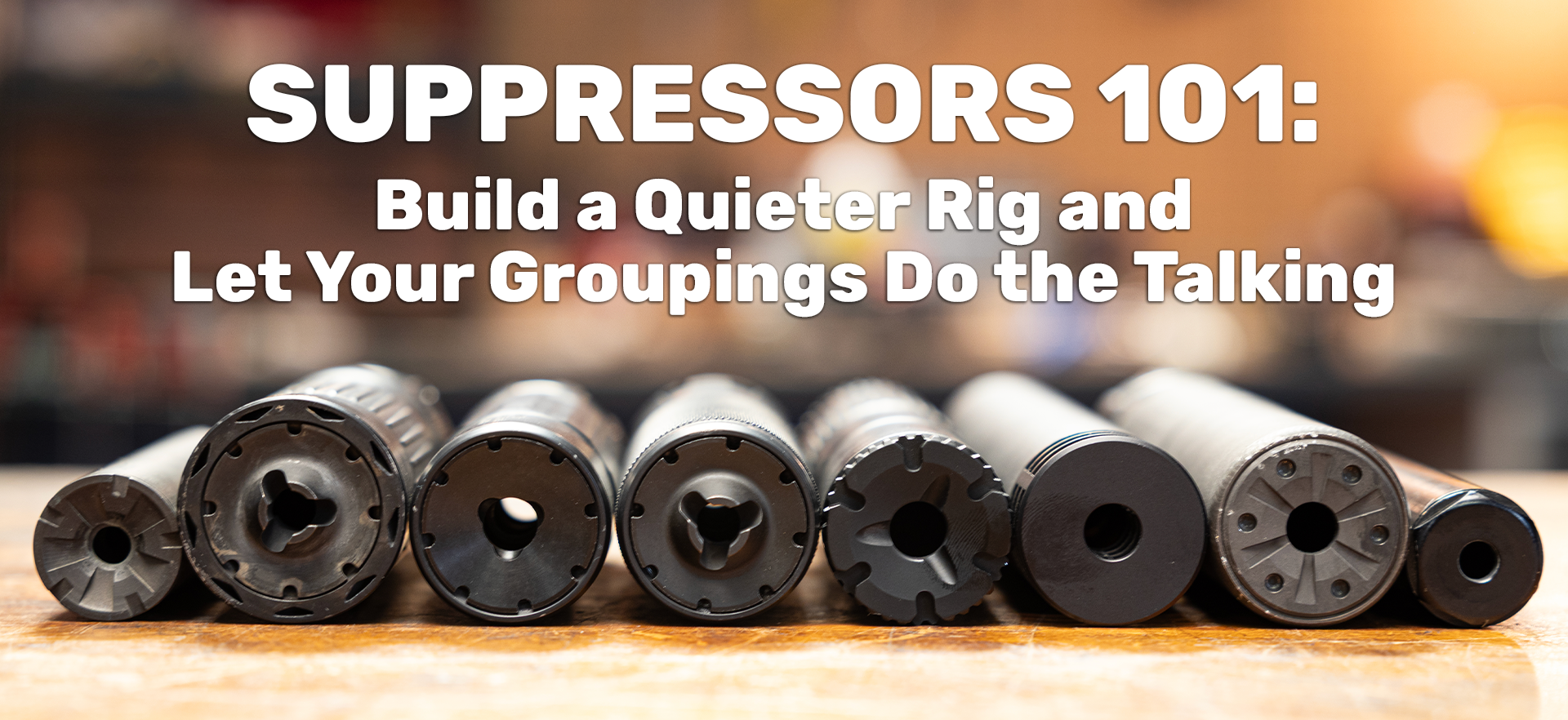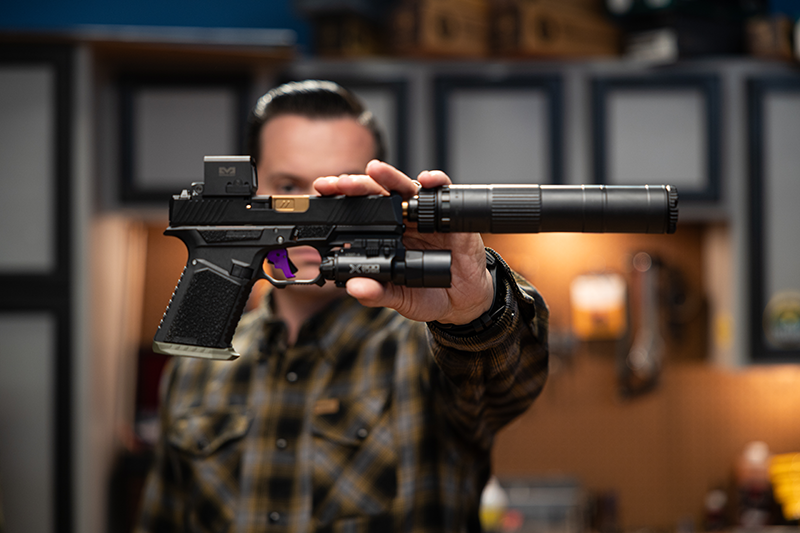
Choosing the right suppressor isn’t just about hushin’ up your gun, it’s about getting the most out of every shot you take. When you match the right caliber, thread pattern, and host firearm, you don’t just shoot quieter, you shoot smarter, steadier, and a whole lot better. At Brownells, we don’t believe in half-measures. We believe in getting it right the first time.
ATF Issues New NFA Guidance
Effective October 9, 2026
ATF has released new guidance that changes the federal process for certain NFA-regulated items, effective October 9, 2026.
Watch: Understanding the New NFA Guidance
What This Means for Our Customers
Under the new ATF guidance, ATF will no longer enforce federal NFA approval and registration requirements before making or transferring certain NFA items, including suppressors, short-barreled rifles (SBRs), short-barreled shotguns (SBSs), and certain other regulated items.
For eligible purchases through an FFL, standard federal firearm transaction requirements still apply, including completing a Form 4473 and, unless exempt, passing a NICS background check. Additional requirements may apply to certain firearm types.
State and Local Laws Still Apply
These changes do not apply the same way in every state. State and local laws may restrict or prohibit certain items or require additional registration, documentation, or transfer procedures.
Before making a purchase, customers should review their current state and local laws and regulations to understand what is legal and what requirements apply where they live.
Important Things to Know
- State and local laws are not superseded by this ATF guidance.
- Availability and transfer requirements vary by location.
- Federal, state, and local eligibility requirements still apply.
- Some transactions may require additional documentation.
- Customers may still voluntarily use applicable NFA forms and registration processes.
- The federal nonenforcement policy could change, and unregistered items are not guaranteed to be grandfathered if enforcement resumes.
Suppressor Purchases by State
The following classifications outline general suppressor purchasing requirements under the current guidance and applicable state laws. Requirements may change and should be confirmed before purchase.
Open States (27) — No NFA Process Required
Alabama, Arizona, Arkansas, Florida, Idaho, Indiana, Iowa, Kansas, Kentucky, Louisiana, Maine, Maryland, Minnesota, Missouri, Nebraska, New Hampshire, New Mexico, Oklahoma, South Carolina, South Dakota, Tennessee, Texas, Utah, Vermont, Virginia, West Virginia, and Wyoming.
In these states, eligible customers can generally purchase a suppressor through the standard firearm transfer process, including applicable background checks and eligibility requirements, without completing an NFA Form 4.
NFA States (15) — Form 4 Still Applies
Alaska, Colorado, Connecticut, Georgia, Michigan, Mississippi, Montana, Nevada, North Carolina, North Dakota, Ohio, Oregon, Pennsylvania, Washington, and Wisconsin.
These states retain legal requirements tied to federal NFA registration or compliance. Customers should expect to complete the traditional Form 4 process where required under applicable state law.
Banned (8 States + Washington, D.C.)
California, Delaware, Hawaii, Illinois, Massachusetts, New Jersey, New York, and Rhode Island, plus Washington, D.C.
Suppressors remain generally prohibited for civilian ownership in these locations, subject to limited legal exceptions.
For additional details, review the official ATF guidance and frequently asked questions.
Top 5 Reasons to Grab a Suppressor
Some folks think a suppressor’s just for hush. That’s like saying a horse is just for trotting. A good can changes how you shoot. Think, chopping wood before you sharpen your axe.
Here’s what you get when you shoot suppressed:
- Reduced Recoil: Tames your rifle smoother than a seasoned rider calms a colt. Less kick means faster follow-ups and steadier aim.
- Improved Accuracy: A quiet muzzle steadies your shot, tightening groups like a good story holds a crowd. Fewer excuses, more bullseyes.
- Hearing Protection: Reducing muzzle blast can make shooting more comfortable, but hearing protection is still recommended.
- Tactical Advantage: Quieter shots keep you hidden, whether you’re stalking game or just keeping your business to yourself. Nobody ever wished for a louder gun.
- More Enjoyable Shooting: Less blast, less headache, more time for jawing with friends over a well-placed shot.
Fire a suppressed shot, and you’ll wonder why you ever endured the racket. It’s like trading a wooden rocking chair for a Lay-Z-boy®, once you know comfort, you don’t go back.
Caliber Compatibility Made Simple 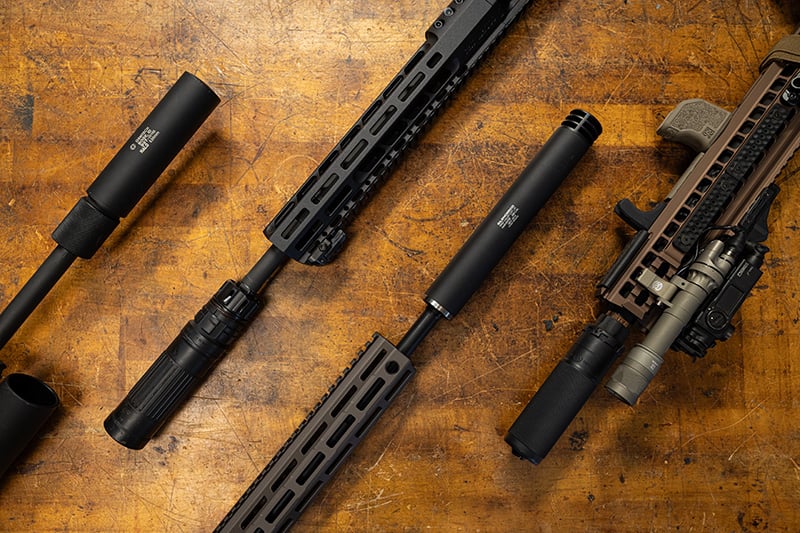
Suppressors are not one-size-fits-all, no more than boots fit every foot. Pick the wrong one, and you could be in for a world of regret. Pick right, and your gear will hum.
Here’s what to factor in:
-
Primary Caliber & Compatibility: What’s your go-to round? A 9mm pistol fan needs a different can than a .308 deer hunter. And make sure the suppressor matches your firearm’s barrel threading. Some suppressors are flexible enough to handle multiple calibers, but always double-check your setup.
-
Suppression Goals: Want maximum hush or minimum bulk? Bigger suppressors usually mean quieter shots, but they also add more length and weight. Find your balance based on your needs.
-
Mounting Options: Most folks choose between direct-thread (simple, reliable) or quick-detach systems (swap fast between guns). Know what your firearm supports, and how quickly you need to make changes in the field or on the range.
-
Intended Use: Different jobs call for different tools. A lightweight can for a hiking rifle, a rugged one for heavy-duty hunting, or a compact suppressor for your home defense setup—make sure your choice fits the mission.
All of this boils down to knowing your gun, knowing your needs, and picking the suppressor that’ll help you shoot quieter, shoot smarter, and shoot better.
Barrel Threads: The Details That Can Easily Be Overlooked 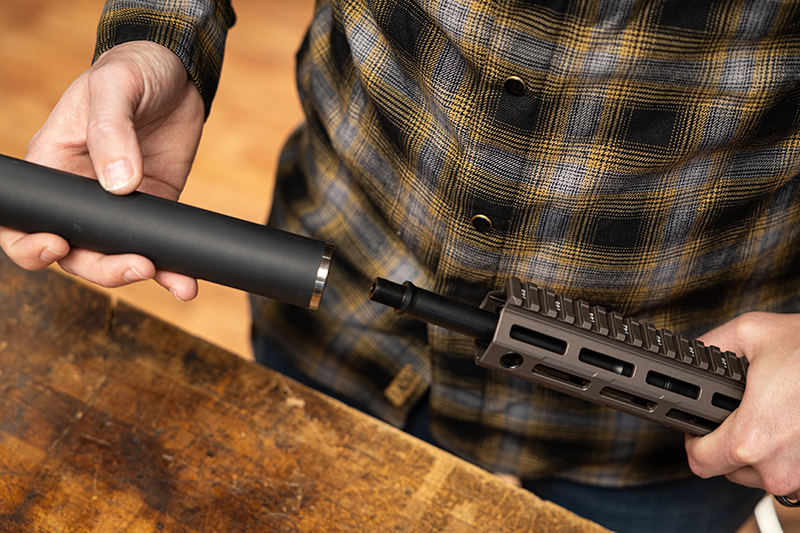
Threads matter! Mismatch your barrel and suppressor, and you’ve got about as much chance of shooting as a cat’s got of whistling dixie. Get it wrong, like slapping a 1/2x28 can on a 5/8x24 barrel, and you’re stuck with a pricey paperweight.
We keep it simple with adapters, converters, and plain talk to get you shooting, not swearing.
Common Threads:
-
1/2x28: The standard for 9mm pistols and 5.56 rifles, trusty as a good dog.
-
5/8x24: The go-to for .30 caliber rifles, like .308 or .300 Blackout.
-
Metric Threads: For when the world gets ornery and measures in millimeters.
Beyond Caliber and Threads: The Rest of the Story 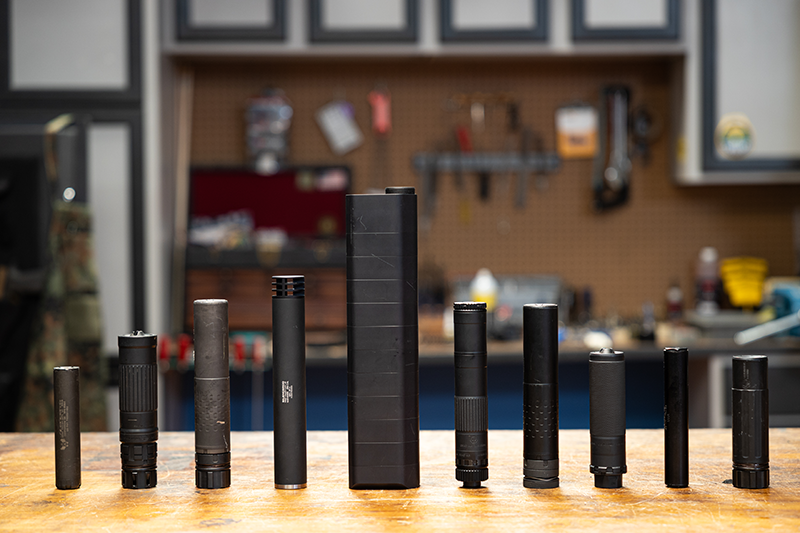
A suppressor’s more than its bore and threads. A few extra considerations keep your build as slick as a riverboat gambler:
-
Length and Weight: Short cans are handy for tight spots, like a home-defense rig. Longer ones hush better but add heft.
-
Material: Titanium’s light but pricey; steel’s tough but heavy. Choose what suits your wallet and your shooting.
-
Mounting Style: Direct-thread’s simple, like a handshake. Quick-detach mounts swap faster than gossip, ideal for multi-gun days.
A Quick Word on the Law (Where Form 4 Still Applies) 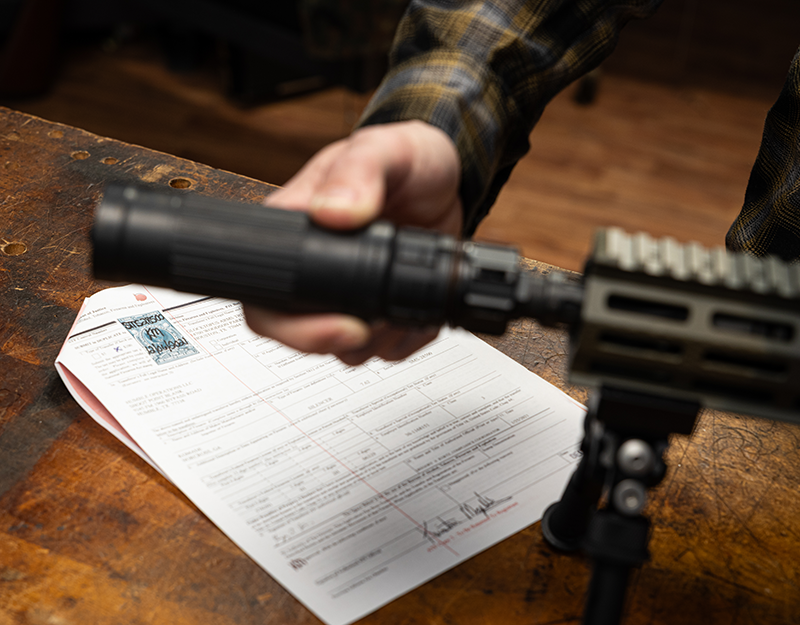
Suppressors and the Law
If you live in a state that still requires the traditional NFA process for suppressors, there’s still some paperwork between you and quieter shooting. You’ll need to complete an ATF Form 4, meet applicable eligibility requirements, and receive approval before taking possession. The federal transfer tax for suppressors is now $0, but that doesn’t eliminate your state’s requirements.
*This is not legal advice. State and local regulations vary, and requirements can change. For legal guidance, consult a qualified firearms attorney or your local authorities.*
Under the ATF’s October 9, 2026 guidance, federal NFA registration and approval requirements are no longer being enforced for certain items, including suppressors. However, that guidance doesn’t override state or local laws. If your state still requires the Form 4 process, your transferring dealer can help you navigate the necessary paperwork and understand what to expect before bringing your suppressor home.
How to Order a Suppressor the Easy Way
Ordering a suppressor doesn’t have to be a mess of forms and frustration. At Brownells, we believe building better includes making the process as smooth as possible, no guesswork, no runaround. Just straight talk, good gear, and a clear path from “want” to “got.”
1. Pick the Right Suppressor for Your Needs
Start with what you shoot and how you shoot it.
-
Caliber & Compatibility: Make sure the suppressor lines up with your firearm’s barrel thread and caliber. Many cans work across multiple platforms, but check twice, buy once.
-
Suppression Goals: Bigger suppressors generally quiet things down more, but they also add length and weight. Think balance.
-
Mounting Options: Direct-thread mounts are simple and solid. Quick-detach (QD) systems offer fast swaps if you’ve got a multi-rig setup.
-
Intended Use: A deer rifle in the woods? A home defense pistol? A .22 for backyard plinking? Different jobs call for different tools.
Need help? Our team can help you double-check compatibility before you commit.
2. Understand Your State's Purchasing Requirements
Under the October 9, 2026 ATF guidance, suppressor purchasing requirements depend on applicable state and local laws. Some customers can complete a standard firearm transfer without an NFA application, while others must still complete the traditional Form 4 process.
Here’s what to expect:
-
States Without an NFA Form 4 Requirement: Eligible customers can generally purchase a suppressor through an FFL using the standard firearm transfer process, including a Form 4473 and an applicable NICS background check.
-
States Requiring Form 4: Customers must complete the applicable ATF Form 4 process and receive approval where required under state law. The federal suppressor transfer tax is $0.
-
Additional Documentation: Where Form 4 is required, applicants may need to provide fingerprints, a passport-style photo, and other required information. Applicable CLEO notification requirements also continue to apply to submitted Form 4 applications.
-
Approval and Waiting Period: Customers using the required Form 4 process must wait for approval before taking possession. Customers in states without an NFA Form 4 requirement generally follow the standard firearm transfer process instead.
If your suppressor is registered through an approved Form 4, retain a copy of your approval and registration documentation. Your transferring dealer can help clarify which requirements apply to your purchase.
3. Take Delivery (the Best Part)
Once all applicable transfer requirements have been satisfied, you can take delivery of your suppressor through your selected dealer. In states where Form 4 approval is still required, delivery must wait until that process is complete. In other states, eligible customers may be able to complete their purchase through the standard firearm transfer process without waiting for NFA approval.
Delivery options and timing depend on your dealer, background check results, and applicable state and local laws.
The process may look a little different depending on where you live, but the payoff? Worth it. Fewer headaches, quieter shots, and gear that feels built just for you.
Build It With Us 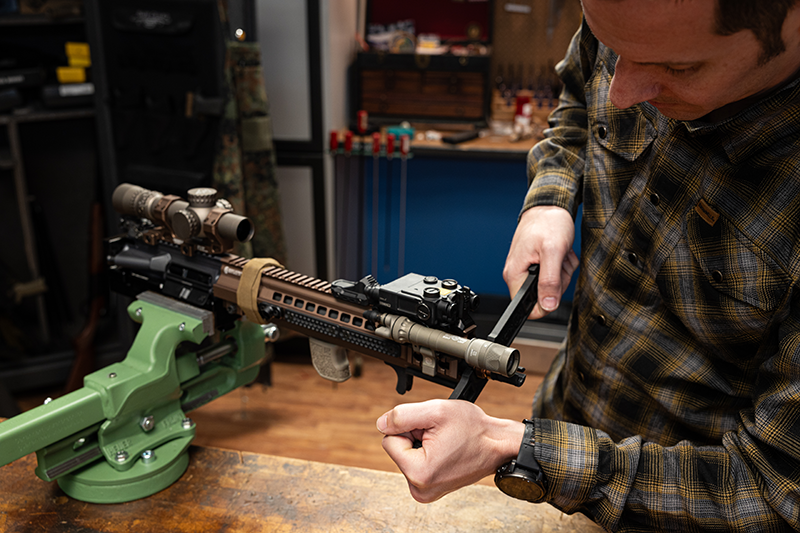
Picking a suppressor is part science, part art, and all common sense. It’s about balance, reliability, and building a rig you’re proud to show off at the range, without explaining “that funny-looking tube” to every passerby.
Whether you’re tuning a long-range tack-driver, rigging a pistol for home defense, or just making range days kinder to your ears, we are your partner in building better.
Ready to Hush Your Rifle?
Let us help you quiet that boom. Learn from our pros, build with confidence, and shoot the way you were meant to—with a whisper and a smile.
Need help? Our team can help you double-check compatibility before you commit.
Shop Suppressors, Mounts & Adapters
Suppressor FAQ: Straight Talk for First-Time Buyers
1. Will a suppressor work on both my rifle and pistol?
Only if you're lucky or smart, and we prefer smart. Most suppressors are caliber-specific and threaded for a particular barrel type. If your rifle and pistol shoot the same caliber and share a thread pattern, you might get away with one can. Otherwise, you’ll need adapters or separate suppressors. Always match your gear like boots to socks, right fit, right function.
2. How quiet is a suppressor really? Will it sound like in the movies?
Not quite Hollywood quiet, unless you're shooting subsonic .22s in a spy movie. A suppressor reduces muzzle blast, but you’ll still hear a pop, especially with supersonic ammo. Think muffled thunder, not silence. Hearing protection is still recommended, even when shooting suppressed.
3. Can I install a suppressor myself, or do I need a gunsmith?
If you can thread a bolt or change a muzzle brake, you’re halfway there. Direct-thread suppressors spin on easy as pie. Quick-detach setups take a bit more know-how but aren’t rocket science. Just double-check your barrel threading, suppressor alignment, and manufacturer specifications, and maybe skip the power tools.
4. What’s the deal with subsonic vs. supersonic ammo in suppressors?
Subsonic ammo stays under the speed of sound, so you dodge that crack you get from a supersonic round. That means way quieter shooting. Supersonic still benefits from a suppressor, but it’s louder. Think of subsonic as sneaking into the woods, and supersonic as knocking politely but firmly.
5. Will using a suppressor mess with my gun’s accuracy or performance?
Adding a suppressor can change your firearm’s recoil characteristics and point of impact. Some setups may see improved consistency, while others require adjustments. Always verify your zero and check performance after installing or changing a suppressor.
6. Do I need a special barrel to run a suppressor?
You’ll generally need a compatible threaded barrel or approved mounting system. Many guns have factory-threaded barrels or compatible replacement options. Just match the thread pitch, mounting system, caliber rating, and manufacturer specifications before shooting.
7. Can I legally travel with my suppressor?
Travel requirements depend on the laws where you live and where you’re going. ATF’s updated guidance addresses federal enforcement involving unregistered suppressors, but state and local restrictions still apply. Check the laws of every jurisdiction involved before transporting your suppressor. If your suppressor is registered, retaining your approval documentation is a good practice. Separate federal transportation requirements still apply to certain other firearms, including SBRs and SBSs.
8. Do I still need Form 4 approval, and how long does it take?
That depends on where you live. In states that do not require the NFA registration process for suppressors, eligible customers can generally complete a standard firearm transfer without waiting for Form 4 approval. In states where registration or federal NFA compliance is still required, the traditional Form 4 process remains applicable. Approval times vary, and the federal suppressor transfer tax is now $0.
We’re With You Every Step of the Way
Choosing the right suppressor can feel like a lot, but you don’t have to go it alone. Whether you're building your first rig or fine-tuning your tenth, we are here to help you make sense of the options, avoid common pitfalls, and build with confidence.
Our team of experts is ready to answer your questions, double-check compatibility, or walk you through the next steps. Because when you build with Brownells, you’re not just buying parts, you’re joining a community that’s passionate about doing it right.
Got questions?
We’ve got answers. Reach out anytime, we’re here to help make your build smooth, smart, and just the way you imagined it.
Build it better. Build it with Brownells.