



Handloading the .350 Legend
Reloading .350 Legend Hunting Ammo With Caleb and Steve
Hunting season is getting closer, which makes summer a good time to check your ammunition supply and get some time at the reloading bench.
In this Brownells Tech Tip, Caleb and Steve load a small batch of Caleb’s .350 Legend hunting ammunition. This is not intended to be a detailed reloading tutorial or a load-data recommendation. Instead, it is a refresher that follows Caleb through the basic process he uses at his own bench.
Always consult current published load data for your exact components before loading ammunition.
Starting With Prepared .350 Legend Brass
Caleb starts with previously fired .350 Legend brass that has already been dry tumbled. The spent primers are still installed, so sizing and decapping will be one of the first operations.
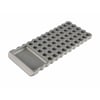
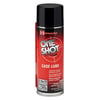
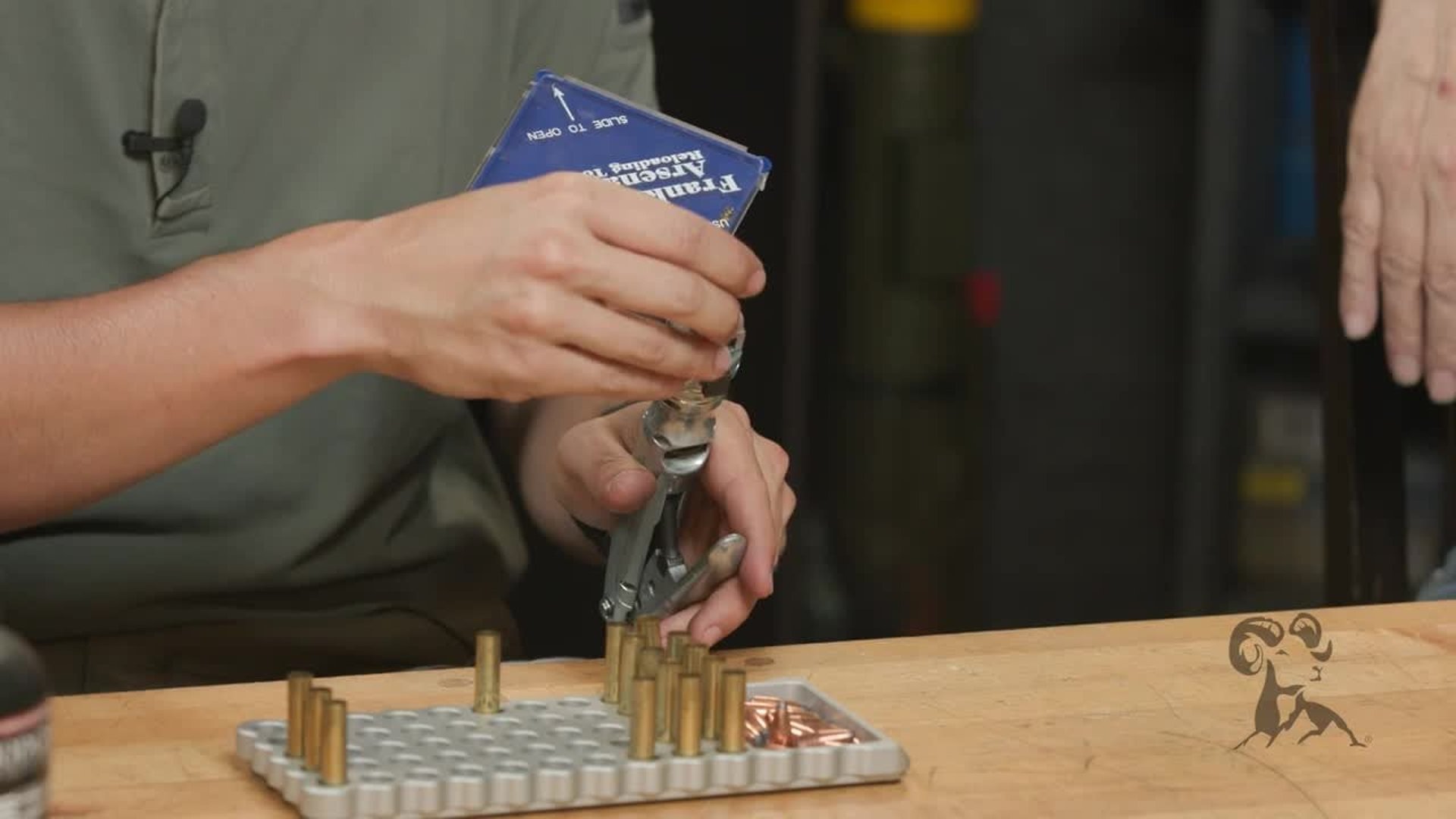
Before sizing, the cases are lubricated with Hornady One Shot spray case lube. For this batch, the cases are organized in an Area 419 loading block to keep everything together as they move through the different operations.
Working in batches is an easy way to keep the process organized. Instead of taking one cartridge through every operation before starting another, Caleb completes the same operation on several cases before moving to the next step.
Components for Caleb’s Hunting Ammunition
Caleb is loading a combination he has previously used in his .350 Legend AR.
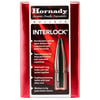
For the projectile, he uses a Hornady 170-grain soft point. Caleb has considerable personal experience hunting deer with this bullet, including a successful hunt where his son took his first deer using ammunition loaded with the same projectile.
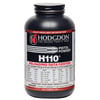
The video also shows H110 powder, but Caleb makes an important point before getting into the process: his personal load is not a recommendation for somebody else’s firearm.
Reloaders should develop ammunition only from reliable, current published load data for their exact components and firearm.
Lyman Turret Press and Lee Dies
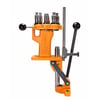
The press is a Lyman turret press installed on an Inline Fabrication quick-change mounting system.
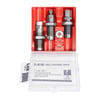
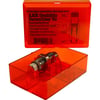
Caleb uses a basic set of Lee dies. Because .350 Legend is a straight-wall cartridge, the loading process has similarities to loading a straight-wall handgun cartridge rather than a conventional bottleneck rifle cartridge.
The turret press makes moving between operations simple because the dies can remain installed and adjusted in the turret.
Sizing and Decapping the Brass
The first operation shown is sizing and decapping.
Each lubricated case goes into the shell holder and is run into the sizing die. The sizing operation brings the case back to the required dimensions while the decapping pin removes the spent primer.
Caleb keeps a rag nearby to wipe away excess lubricant and residue as he works.
After completing the first batch, he rotates the turret to the next die rather than removing and reinstalling individual dies.
Expanding and Priming
The next portion of the process involves expanding the case mouth and installing fresh primers.
Caleb checks the amount of expansion before proceeding. The goal is to prepare the case mouth to accept the bullet without applying unnecessary expansion.
Before adding powder, the cases need fresh primers.
After seating a primer, Caleb demonstrates a simple inspection. The case should sit flat without rocking, and the primer should be properly seated relative to the case head. He also checks it by feel.
Primer seating deserves careful attention, particularly with ammunition intended for a semi-automatic rifle.
Charging the Cases
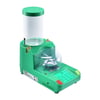
For dispensing powder, Caleb uses an RCBS ChargeMaster Link.
The powder charge is dispensed and transferred through the powder-through expander die into the case. Caleb notes that this is not the only way to organize the operation. A reloader could expand the entire batch first, return the cases to the loading block, and then charge them individually using a funnel.
The important point is maintaining a consistent, organized process that allows every case to be inspected.
Hunting Ammunition vs. Long-Range Handloads
Caleb and Steve also discuss how the intended application affects the amount of effort that goes into ammunition preparation.
This batch is intended for practical hunting distances rather than extreme long-range shooting. For a specialized long-range load, they would approach several parts of the loading process differently and pay closer attention to variables that may become increasingly important at extended distances.
For Caleb’s .350 Legend hunting ammunition, the objective is dependable ammunition that performs consistently in his hunting rifle.
Inspect Every Powder Charge
Before moving to bullet seating, Caleb visually inspects the charged cases.
This is an important checkpoint in the process. Each case should contain the expected amount of powder, with no obvious missing or abnormal charge.
Building inspection points into the loading sequence helps catch mistakes before the next component is installed.
Setting the Bullet Seating Die
Because Caleb already has ammunition loaded with the same combination, he uses a known-good cartridge as a reference when setting his seating die.
Steve uses a similar method. He keeps a sample cartridge with his reloading dies so he can quickly return the seating die to a previously established setup.
If multiple bullet designs are loaded for the same cartridge, keeping an appropriate reference cartridge for each established setup can make returning to that configuration more convenient.
Seating the Hornady 170-Grain Soft Point
With the case prepared, primed, and charged, Caleb places the Hornady 170-grain soft point into the case mouth and runs it into the seating die.
After seating, the cartridge is inspected before moving to the final operation.
And as Steve quickly reminds Caleb, it is not finished yet.
It still needs to be crimped.
Applying a Taper Crimp
The .350 Legend headspaces on the case mouth, so Caleb and Steve discuss using a taper crimp rather than treating it like a rimmed revolver cartridge.
For this session, Caleb uses a compatible Lee crimp die because he cannot locate his usual .350 Legend crimp die. The point of the demonstration is the basic crimping operation and inspection rather than prescribing a particular die setup.
After crimping, Caleb and Steve inspect the cartridge and are satisfied with the result.
A Straightforward Hunting Reload
By the end of the session, Caleb has five completed .350 Legend hunting cartridges ready for the next step.
The process is straightforward: prepare the brass, size and decap, expand, prime, charge, inspect, seat the bullet, and apply the appropriate crimp.
The biggest takeaway is not a specific powder charge or recipe. It is having an organized and repeatable reloading process while verifying every load against reliable published data.
For hunters who already reload, summer is a good time to replenish ammunition, confirm the rifle’s zero, and make sure everything is ready well before opening day.