



AR15 Maintenance
The Complete Guide to Cleaning and Maintaining Your AR-15
Routine maintenance is one of the best ways to ensure your AR-15 remains accurate, reliable, and ready for the range. Fortunately, keeping an AR-15 running doesn't require a complete teardown after every range session. Knowing the difference between a basic field cleaning and a detailed maintenance inspection helps you spend time where it matters most.
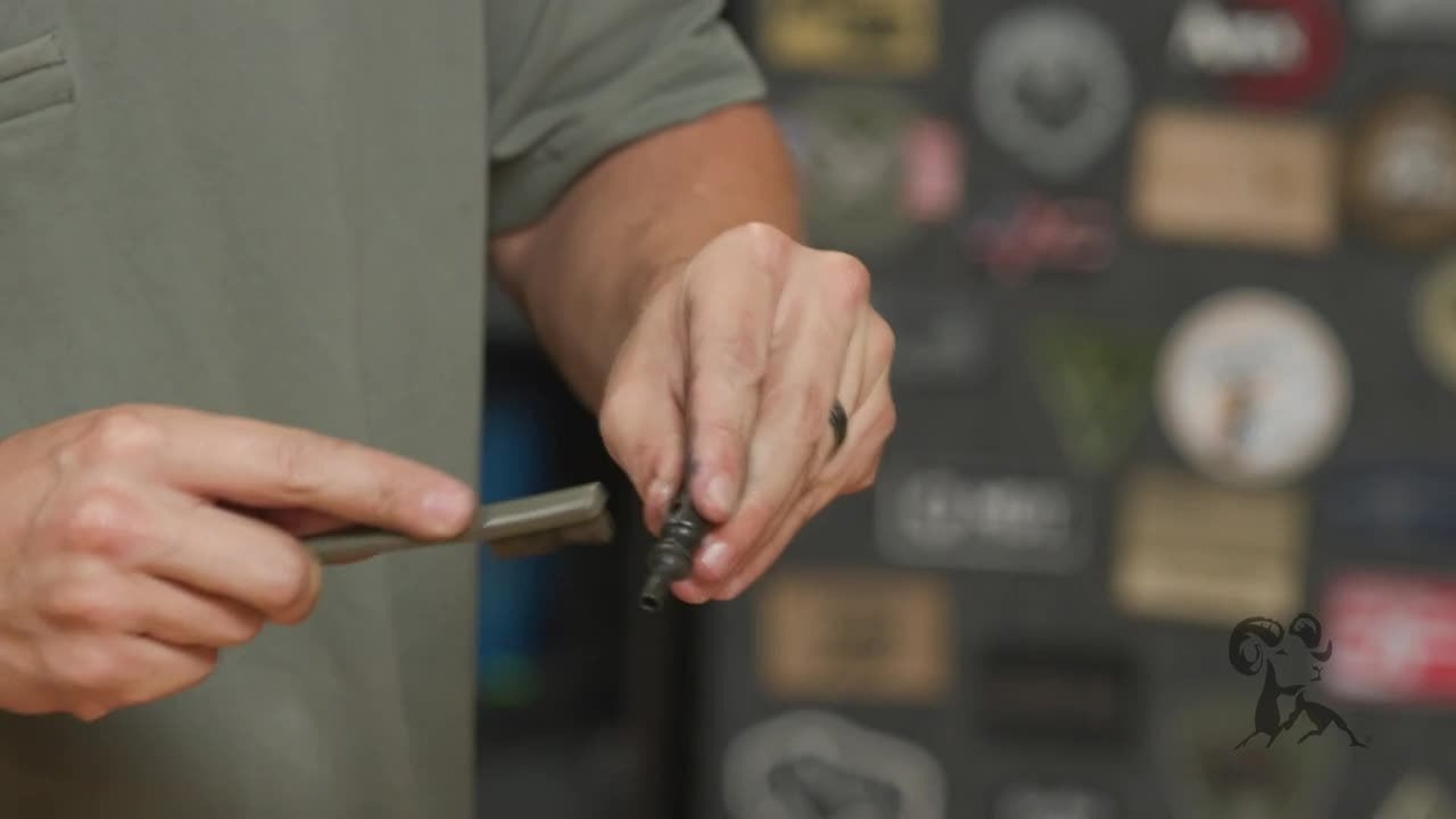
In this Brownells Tech Tip, Caleb demonstrates both approaches while explaining how to inspect wear items, clean carbon buildup, and properly lubricate every major component of the rifle.
Start with a Safe Field Strip
Every cleaning session begins by confirming the rifle is unloaded before separating the upper and lower receivers.
For routine maintenance, removing the bolt carrier group, charging handle, buffer, and recoil spring is all that's required. This provides access to the major components without unnecessary disassembly and is sufficient for most regular cleaning intervals.
Cleaning the Upper Receiver and Barrel
The upper receiver collects carbon, fouling, and lubricant during normal operation, especially on direct impingement rifles.
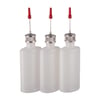
Using solvent, nylon brushes, patches, and cotton swabs, Caleb demonstrates how to remove the majority of fouling without chasing every last trace of carbon. Particular attention is given to the charging handle channel, chamber area, and beneath the gas tube where fouling commonly accumulates.
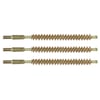
The barrel is cleaned from the chamber end using a coated cleaning rod, brass brush, copper solvent, and patches. Cleaning from the chamber protects the muzzle crown and helps preserve long-term accuracy.
Maintaining Suppressor Mounts
If your rifle uses a suppressor mounting system, routine maintenance becomes even more important.
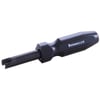
Carbon buildup around muzzle devices can eventually interfere with suppressor attachment and removal. Caleb demonstrates how carbon remover, brushes, and specialty scrapers quickly restore the mounting surfaces without unnecessary effort.
Bolt Carrier Group Maintenance
The bolt carrier group receives the most attention during the cleaning process.
After field stripping the carrier, Caleb removes the extractor for additional inspection before cleaning the carrier body, bolt, firing pin, cam pin, and retaining pin individually. Specialty carbon scrapers make quick work of stubborn deposits inside the carrier and on the bolt tail, significantly reducing cleaning time compared to traditional scraping methods.
Throughout the process, the emphasis remains on removing excessive carbon while avoiding unnecessary wear from over-cleaning.
Inspecting Wear Components
Cleaning provides the perfect opportunity to inspect the rifle for potential problems.
Extractor springs, inserts, gas rings, ejectors, firing pins, and bolt lugs should all be examined for wear, cracks, chips, or deformation. Caleb also demonstrates replacing a missing extractor insert and explains why proper extractor spring tension contributes to reliable extraction, especially in suppressed or hard-use rifles.
Later in the video, he discusses gas ring inspection and provides guidance on when common AR-15 springs should be replaced as part of preventative maintenance.
Cleaning the Lower Receiver
For routine maintenance, the lower receiver requires surprisingly little attention.
Most rifles simply need accumulated debris removed from around the trigger mechanism using patches, cotton swabs, and light cleaning. Detailed disassembly is only necessary when excessive fouling, debris, or damaged components are discovered during inspection.
This balanced approach minimizes unnecessary work while maintaining dependable reliability.
Lubrication Matters More Than Perfection
One of the biggest takeaways from this guide is that an AR-15 doesn't need to be perfectly spotless.
Removing the majority of carbon, protecting metal surfaces from corrosion, and applying lubricant to the proper contact points will keep most rifles running exceptionally well. Over-cleaning often provides little practical benefit compared to consistent routine maintenance.
Final Thoughts
Whether you're performing a quick field cleaning after a day at the range or completing a detailed inspection after thousands of rounds, understanding how each component functions makes maintenance easier and more effective.
By following a consistent cleaning schedule, inspecting common wear items, and replacing springs before they fail, you can maximize the reliability and service life of your AR-15 while spending less time troubleshooting problems and more time shooting.