




Inside the Iowa Valley Community College Gunsmithing Program
Inside the Iowa Valley Community College Gunsmithing Program
Professional gunsmithing requires far more than replacing parts. Today's gunsmiths must understand machining, metallurgy, woodworking, firearm repair, refinishing, customer service, and even business management.
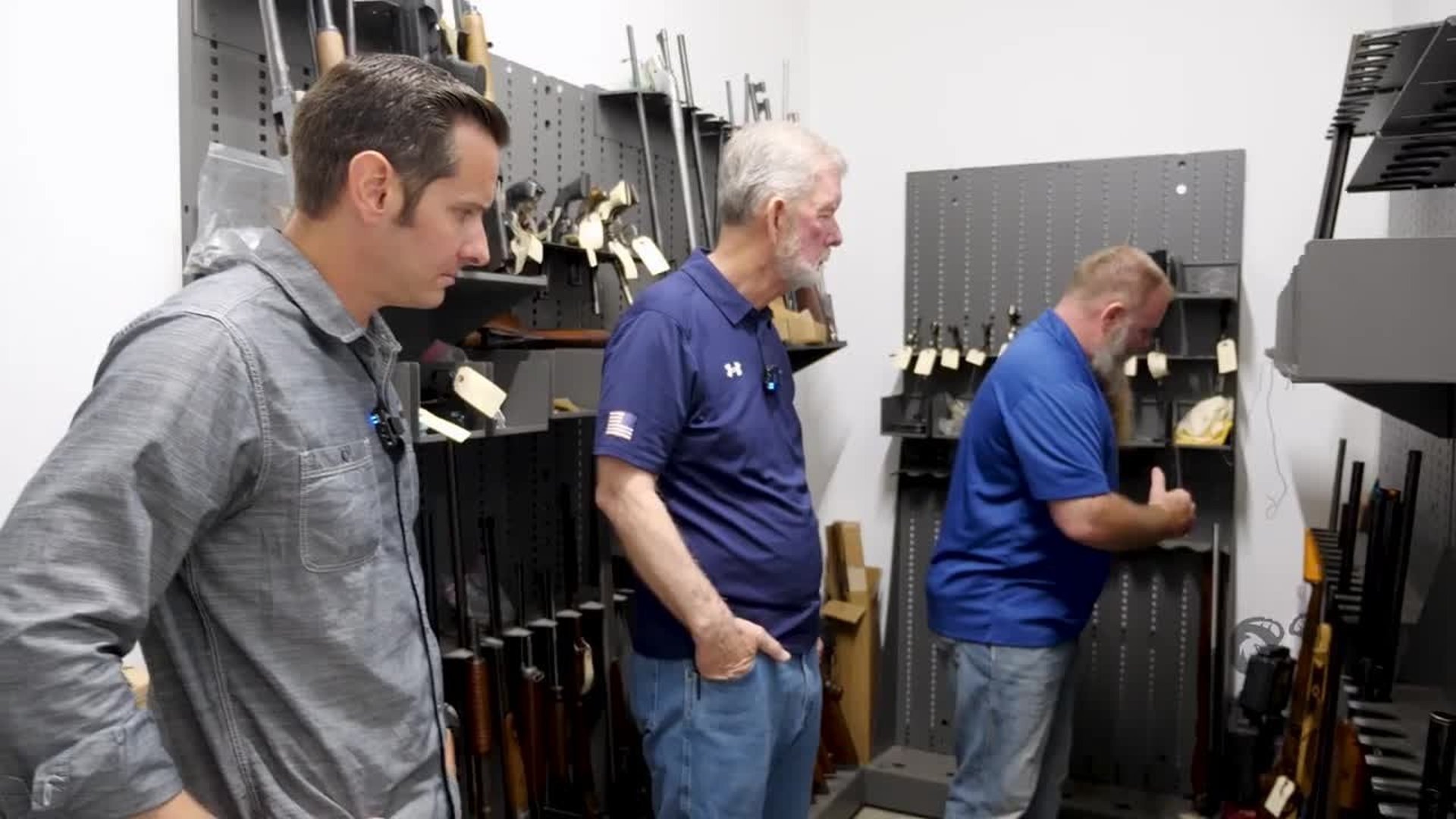
In this Brownells Tech Tip, Caleb and Steve visit Iowa Valley Community College in Grinnell, Iowa, for an inside look at one of the country's accredited gunsmithing programs. Guided by Program Director Matt Ostrander, the tour highlights the facilities, curriculum, and hands-on training that prepare students for careers throughout the firearms industry.
A Comprehensive Gunsmithing Education
The Iowa Valley Community College Gunsmithing Program spans five semesters and combines classroom instruction with extensive hands-on shop experience.
Students begin by learning core skills such as hand filing, bench metal work, metallurgy, heat treating, and toolmaking before progressing into complete firearm projects.
One of the first major projects is assembling and finishing a traditional muzzleloader kit, giving students valuable experience fitting wood and steel components together from raw materials.
As the curriculum advances, students move into complete firearm repair, machine shop training, and eventually custom firearm builds.
Learning Traditional Machining Skills
Modern gunsmiths must often manufacture parts that are no longer commercially available.
To prepare students for those situations, the program places heavy emphasis on manual machining using mills and lathes. Students learn threading, chambering, barrel work, dovetail cutting, and precision fitting while working to tight machining tolerances.
Graduates are also only a short path away from earning an additional machining certification through partnering community colleges, giving them valuable career flexibility beyond traditional gunsmithing.
Real Customer Firearm Repairs
One of the most valuable aspects of the program is its public repair shop.
Rather than working only on classroom exercises, advanced students perform repairs on customer firearms under instructor supervision. Students communicate directly with customers, diagnose problems, estimate repairs, order parts, complete the work, and explain the finished project before returning the firearm.
This real-world experience helps graduates enter the workforce with technical skills as well as customer service experience that many educational programs cannot provide.
Modern Finishing Techniques
Students receive hands-on experience with nearly every major firearm finishing process.
Training includes hot bluing, cold bluing, Parkerizing, Cerakote application, polishing, media blasting, and even color case hardening. Dedicated finishing rooms and ventilation systems allow students to safely perform each process while learning proper preparation and finishing techniques.
The expanded finishing facilities continue to grow with additional equipment, including upgraded blasting cabinets, climate-controlled bluing equipment, and future laser engraving capability.
Custom Rifle Building and Woodworking
Beyond repair work, students also build complete custom bolt-action rifles.
Using Mauser actions and semi-inletted stocks, students perform stock inletting, barrel floating, glass bedding, recoil pad installation, hand-rubbed oil finishes, and other traditional stockmaking techniques.
A newly expanded woodworking shop now includes a stock duplicator that allows students to reproduce damaged stocks for restoration projects while continuing to develop traditional woodworking skills.
Preserving Traditional Gunsmithing Skills
While modern sporting rifles remain an important part of today's firearms industry, the program also emphasizes older firearms that often require custom-fabricated parts.
Students regularly restore vintage shotguns, lever actions, revolvers, bolt-action rifles, and even firearms damaged by fire. These projects reinforce machining skills while exposing students to the challenges of working on obsolete firearms where replacement parts may no longer exist.
According to Matt Ostrander, growing interest in lever-action rifles has also influenced future curriculum planning as demand for skilled gunsmiths continues to evolve.
Preparing Students for the Firearms Industry
Technical ability alone does not build a successful gunsmithing career.
Students also complete coursework in entrepreneurship, personal finance, and small business development to help prepare those interested in opening their own gun shops.
An active industry advisory committee, which includes representatives from Brownells and other firearms professionals, helps ensure the curriculum continues to reflect the needs of today's firearms industry.
Final Thoughts
The Iowa Valley Community College Gunsmithing Program combines traditional craftsmanship with modern manufacturing techniques to prepare students for careers across the firearms industry.
From machining and custom rifle building to Cerakote, firearm restoration, stockmaking, and customer repair work, students receive practical experience that extends well beyond the classroom. Whether the goal is working in a custom gun shop, firearm manufacturing, or opening an independent business, the program provides a strong foundation built on real-world skills and hands-on experience.
