Best Die Lock Ring
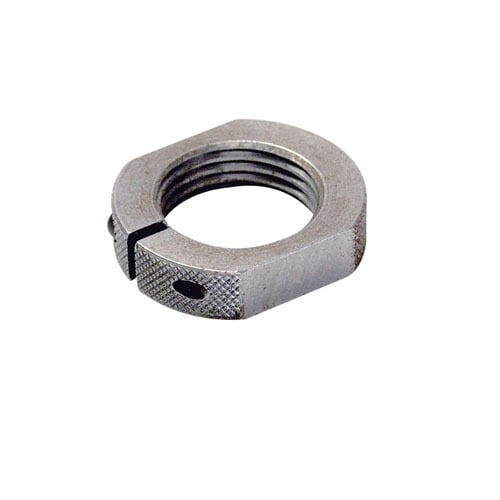
I have these Hornady lock rings on all my reloading dies (56 total right so far). Out of all those lock rings I've had only one with stripped threads. Like another reviewer, I re-tapped the threads (6-40) & replaced the screw. I consider that one ring an anomaly & doesn't change my overall rating of them. They're still the best lock ring for me.
Can't go wrong with these
I use these on all my stand alone dies, not much call for them on a Dillon press. Size and de-prime on a Rock Chucker. Run the Dillon case trimmer on another Rock Chucker. Having the Hornady lock rings on each die makes everything quicker to set up
Hornady Die lock rings
Nothing bothers me more than poorly designed die lock rings. My past history of 45 years of reloading began with the old RCBS lead pellet/setscrew system that impinged on the 7/8-14 threads of the die making it very difficult to adjust or remove off the die. Advancements then used brass setscrews then angled split ring design at a tangent to the threads which adjusted themselves closed against the threads,a much improved version.These Hornady lock rings allow their propriatory red handled wrench to properly secure this split ring tightly against the press body. Other manufacturers use their wrenches but still use the old setscrew that crushes against the die threads. I recommend these lock rings over any other type to include "O" ring spongy attachments.
All die makers should use this design
I have Hornady, RCBS, Forster, Redding and Lee dies on my bench. I have found over time that I prefer the Hornady locking ring design. The ring is easily tightened with the included hex key. This design tensions the entire bearing surface of the ring, rather than a single point-of-contact set-screw. When I buy a new non-Hornady die, the first thing I do is replace the locking ring with one of these.
excelent
this is an excelent replacement rign for any die set. you dont have to worry about stripping out the brass set screw like on other models and it squeezes the ring on the die instead of the screw contacting the threads of the die. because it isnt touching the threads so the set screw is made of steel and it will last you forever.