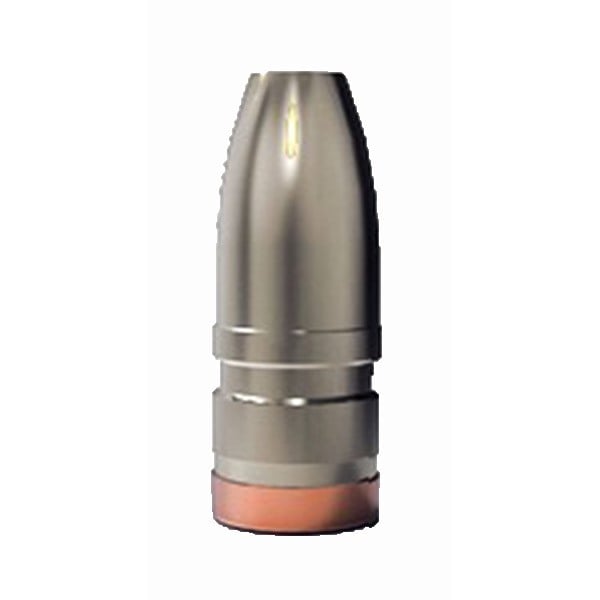
2 CAVITY RIFLE BULLET MOLDS

2 CAVITY RIFLE BULLET MOLDS Reviews & Ratings

All Lee mould blocks are made from aluminum because of its exceptional moulding qualities. All mould cavities are CNC machined for unmatched roundness and size control. All hollow base moulds are single cavity only as they have a self centering, automatic core pin for the fastest possible moulding. All moulds include handles and sprue plates.

View Product
Write a review
Reviews Summary
The 2 Cavity Rifle Bullet Molds perform well for beginners and provide consistent results with the right temperature settings. Despite some concerns about fragility and occasional issues like a loose sprue plate, users find them accurate and a good value for the price. Overall, they are recommended, particularly for those new to bullet casting.
What Reviewers Are Saying
Ease of Use
70%
Many users appreciate the simplicity of using the molds, especially for beginners. The molds require some warm-up time, but once at the right temperature, they function effectively and yield accurate bullets. Several reviewers noted the ease of bullet release after using the molds correctly, contributing to a positive user experience.
Product Quality and Durability
60%
Reviews indicate a mix of perceptions regarding the quality and durability of the molds. While many customers feel they produce good bullets, concerns about the molds being fragile and issues like the sprue plate loosening were commonly mentioned. However, some reviewers noted improvements in product quality over previous years.
Value for Money
80%
The affordability of these molds is highlighted by many customers. For a price of around $20, users find it hard to beat the quality, especially as the handle is included. This value proposition is particularly appealing to those new to casting, who are looking for an effective yet budget-friendly option.
Casting Operation
50%
The overall casting operation with the molds was praised, emphasizing temperature control as vital for optimal performance. Users reported good consistency in bullet size and weight, suggesting that, with proper technique, the molds can produce high-quality outputs. Some tips for improving the casting experience, like using a sponge to maintain temperature, were also shared.
Customer Service and Replacement Issues
30%
A few reviews expressed frustration with customer service and delays in replacement parts. This negativity seems to detract from the overall positive experiences reported with the product itself, as some users expected a quicker response when dealing with manufacturing issues.
4
20-1 lead/tin mix
Sprue plate came loose after about 80 bullets. The sprue plate loosening got handled today in 20 minutes with drilling and tapping a set screw. Something that could easily have been done at the factory. I think because I followed all the instructions in the manual you get with the mould, especially smoking the blocks, I got no lead where its not supposed to be. I even smoked the sprue cut off plate and it looks fine. The bullets drop out on their own half the time, the other half will require a little, very little, tap on the handles and the bullets just fall out. Temperature is important. I had my melt at 750 most of the time and that was perfect. Too hot and you get frosted bullets, too cool and you get grooves not filled out. Just like any other mould. This mould is fragile. No idea of how many seasons of casting before the aluminum succumbs. Now, on to the range, known as the Laboratory. 25 rounds for the BPCR Browning, and 25 rounds for the BPCR Pedersoli Sharps. At 200 yards off the bench, iron sights, this is what went down. No keyholes. Grease marks of bullet passing through on the paper target were perfect. After 25 rounds no signs of leading in the barrels at all. Theres plenty of lubricant. Browning first, then Sharps, all are 5 shot groups. The vertical dispersion was pretty tight. When I got a flyer it was always horizontal to the right. I think its my shooting. Browning: Load is 55 grains FF. Bullet touching lands. Average moa for five, 5 shot groups = 1.6moa Sharps: The load for the Sharps was 63.5 FF as opposed to 56 FF for the Browning and the increased recoil was substantially noticeable for the Sharps. The Sharps got an average of 1.9 moa. Because Im shooting iron sights, these numbers could be somewhat different if I had a scope on these rifles. It appears the Browning shoots these bullets very well. So is this inexpensive mould good enough for Black Powder Cartridge Rifle competition? Yes, on a local level I think it is, especially for the new guy just testing the waters. Based on all the data Ive accumulated over the years with the Money, Postell and Creedmoor bullets from expensive mould manufacturers, the Lee is hanging right in there.