




Hunting Optics for Straightwall and Slug Guns
BDC Hunting Scopes: Verify Your Holds Before Hunting
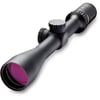
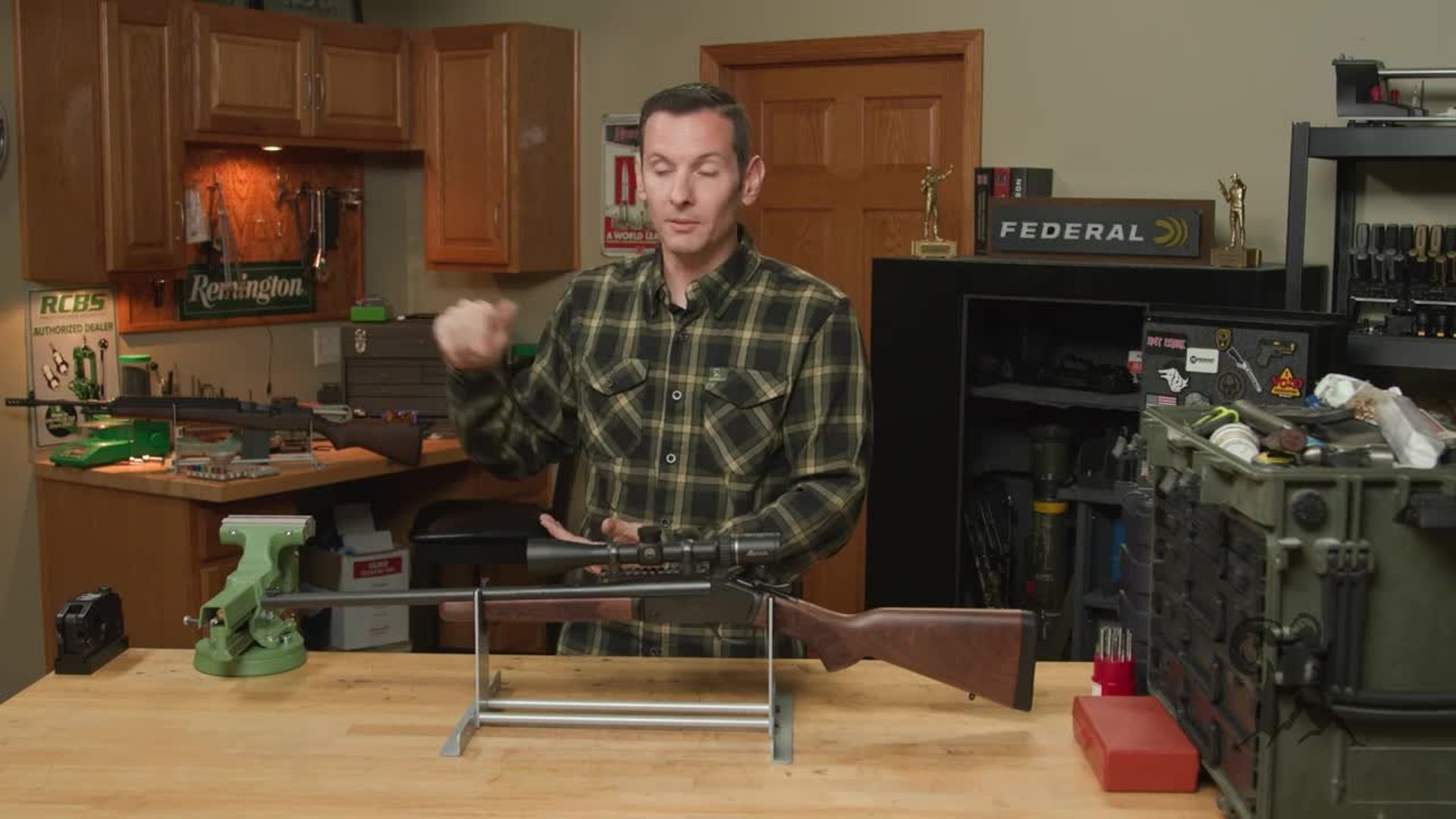
Caleb from Brownells discusses caliber-specific hunting optics using a Burris Fullfield E1 on his 350 Legend. He likes the convenience of a BDC reticle, particularly for a straightforward hunting setup.
His main point is that the reticle’s holdover marks need to be checked with the rifle and ammunition actually being used.
What a BDC Reticle Provides
A bullet drop compensating reticle includes reference marks below the main crosshair. These provide aiming references for additional distances when the setup matches the reticle’s intended ballistic profile.
Caleb describes the appeal as a quick, easy-to-use system in the field. The marks provide a starting point, while range verification establishes what they mean for a particular load.
Testing Your Rifle and Ammunition
Caleb emphasizes confirming the zero and checking the additional aiming references at their intended distances.
A scope labeled for 350 Legend does not guarantee identical results with every 350 Legend load. The useful information is where that specific rifle and ammunition combination places its shots.
Targets for Checking Results
The video discusses using targets with a clearly defined scoring or reference area to evaluate impacts. Caleb mentions anatomical hunting targets, ordinary paper targets, and simple homemade options.
The purpose is to make the results easy to assess and establish the setup’s practical limits before hunting.
When Impacts Don’t Match the Reticle
Caleb discusses how ammunition selection and zero distance can affect the relationship between trajectory and the reticle.
Changes need to be evaluated through testing. A different bullet weight alone does not guarantee a particular correction, so the actual impacts remain the deciding evidence.
Shotgun Slug Considerations
Caleb notes that the same general principle applies to shotgun slug optics: understand the aiming references and verify them with the ammunition being used.
He also cautions against assuming that the distances discussed for his rifle carry over to a shotgun setup.
Using a Ballistic Calculator
Caleb describes using a ballistic calculator to help interpret the reticle’s holdover references. This can provide a useful estimate before checking the setup at distance.
He emphasizes that calculated results still require live-fire confirmation.
A Convenient System Once Verified
Caleb considers caliber-specific BDC scopes a useful hunting option when the owner takes time to understand and test them.
A confirmed zero and verified holds turn the reticle’s reference marks into information the shooter can use with confidence.