





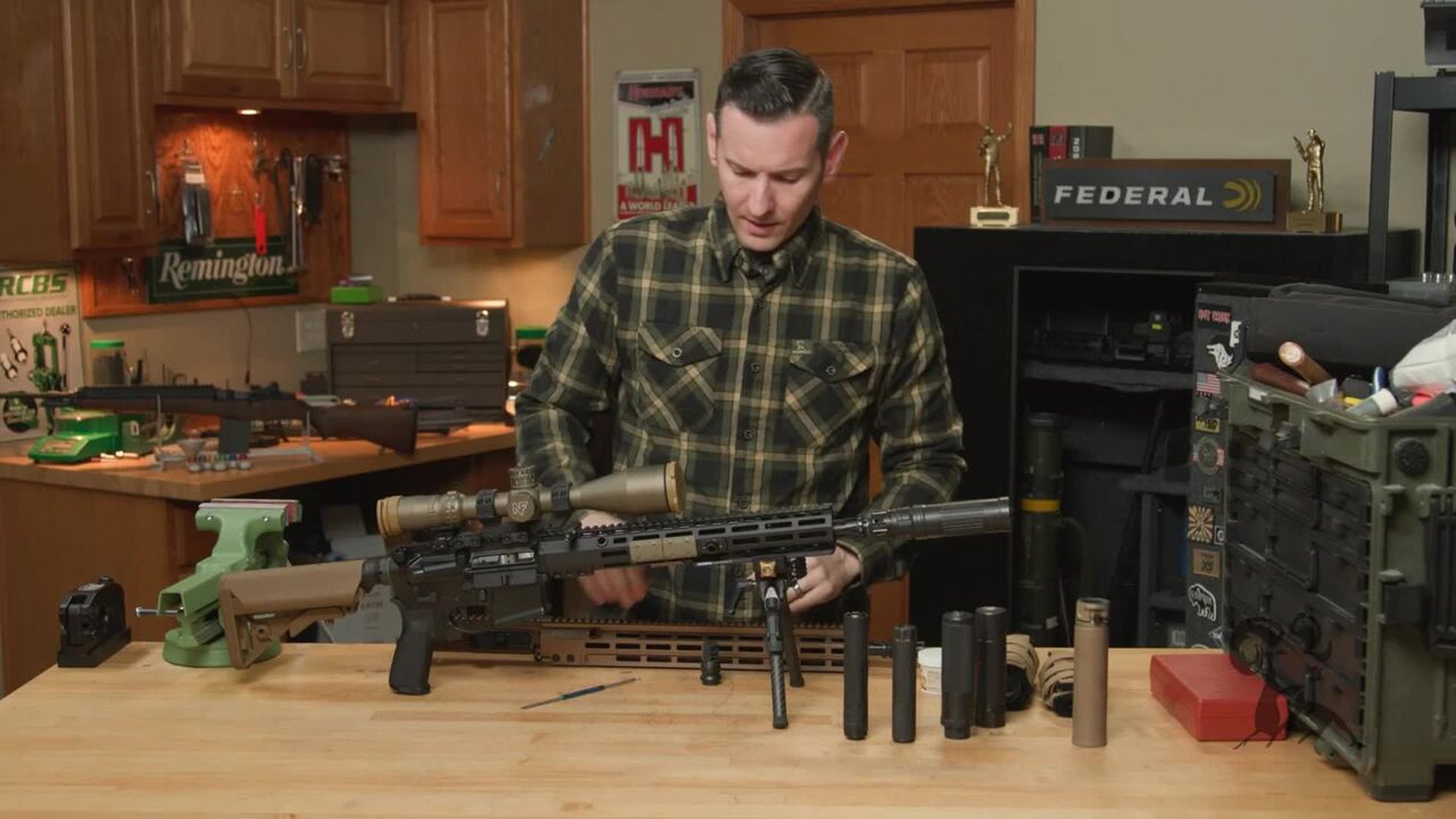
How to Remove a Stuck Suppressor and What Causes It
HOW TO PREVENT A STUCK SUPPRESSOR AND REMOVE IT SAFELY
Suppressors are reliable tools, but under the right conditions they can seize onto your firearm. The most common causes are carbon fouling and thermal expansion. Understanding how these factors interact is the first step toward preventing problems and maintaining a dependable setup.
WHAT CAUSES A SUPPRESSOR TO GET STUCK
A stuck suppressor is typically the result of carbon buildup between the suppressor and the mounting surface. When the firearm heats up during use, metal components expand. As the system cools, those components contract at different rates. This process can trap carbon deposits between surfaces and effectively lock the suppressor in place.
CARBON FOULING AND THERMAL EXPANSION
Carbon fouling builds up during firing and can migrate into mounting surfaces. When heat is introduced, expansion allows carbon to move deeper into tight tolerances. As everything cools, that fouling compresses and binds components together. This is especially noticeable when different materials are involved, as they expand and contract at different rates.
PREVENTING A STUCK SUPPRESSOR
Prevention starts with proper preparation and maintenance. The key areas to focus on are lubrication, cleanliness, and correct installation.
Apply a high-temperature anti-seize compound to mounting surfaces. This creates a barrier that reduces carbon adhesion and helps prevent binding. Avoid copper-based anti-seize due to its lower melting point.
Keep all mounting surfaces clean. Carbon buildup should be removed regularly using appropriate brushes or solvents. Stainless steel muzzle devices can handle aggressive cleaning methods, while lighter cleaning tools can be used when needed.
UNDERSTANDING TAPER LOCK MOUNTS
Modern suppressor systems commonly use taper lock designs. These systems rely on precision-machined angled surfaces that create a tight seal when engaged. This seal helps prevent carbon from reaching the threads and reduces the likelihood of seizure.
Examples include systems like Xeno, Plan B, and KeyMo. While their attachment methods vary, they all benefit from the same taper interface that improves alignment and reduces fouling issues.
PROPER TIGHTENING TECHNIQUE
Overtightening is a common mistake. Tighten the suppressor until it seats fully, then apply a small additional nudge. Excessive force increases the chance of binding due to thermal cycling and material differences.
RIMFIRE AND DIRECT THREAD CONSIDERATIONS
Direct thread suppressors require the same attention to cleanliness and lubrication. Some users apply thread tape, but care must be taken to avoid affecting alignment. In most cases, proper anti-seize application is sufficient.
RANGE PRACTICES TO AVOID SEIZING
Allow the suppressor and firearm to cool together after use. Removing a suppressor while it is extremely hot can increase the chance of carbon locking during cooldown.
If removal is necessary, do so while the suppressor is still warm but not excessively hot. This allows carbon deposits to remain loose and easier to break free.
HOW TO REMOVE A STUCK SUPPRESSOR
If a suppressor becomes stuck, there are several effective methods.
Applying penetrating oil can help loosen carbon buildup. Another effective method is firing a few rounds through the firearm. The heat and vibration can break up fouling and allow the suppressor to be removed.
In many cases, shooting a few rounds and then attempting removal while the system is warm will resolve the issue.
OLDER MOUNT SYSTEMS VS MODERN DESIGNS
Older suppressor mounts without taper locks are more prone to carbon intrusion. These systems often require more aggressive cleaning or combined methods like soaking and firing to remove a stuck suppressor.
Modern taper lock systems significantly reduce these issues and are generally more reliable under heavy use.
SUPPRESSOR COVERS AND HEAT MANAGEMENT
Suppressor covers help manage heat and allow safer handling during use. They also reduce the risk of burns and protect surrounding gear from heat damage. Keeping one in your range bag is a practical addition for both safety and convenience.
FINAL THOUGHTS
A stuck suppressor is preventable with proper maintenance and handling. Focus on keeping mounting surfaces clean, lightly lubricated, and properly tightened. Understand how heat and carbon affect your system, and apply these principles consistently.