



How to Lap an AR Receiver For Long Range Accuracy
Lapping an AR-15 upper receiver is a simple process that can improve barrel alignment and overall accuracy. While many rifles perform well without it, small inconsistencies in the receiver face can cause the barrel to seat slightly off-center. For precision shooters, this can impact performance at extended distances.
WHY LAPPING MATTERS
Most shooters will never notice these minor imperfections at typical distances. However, when shooting at 300 to 500 yards or beyond, even slight misalignment can affect consistency. Lapping ensures the receiver face is square to the bore, allowing the barrel to align properly.
TOOLS AND MATERIALS REQUIRED
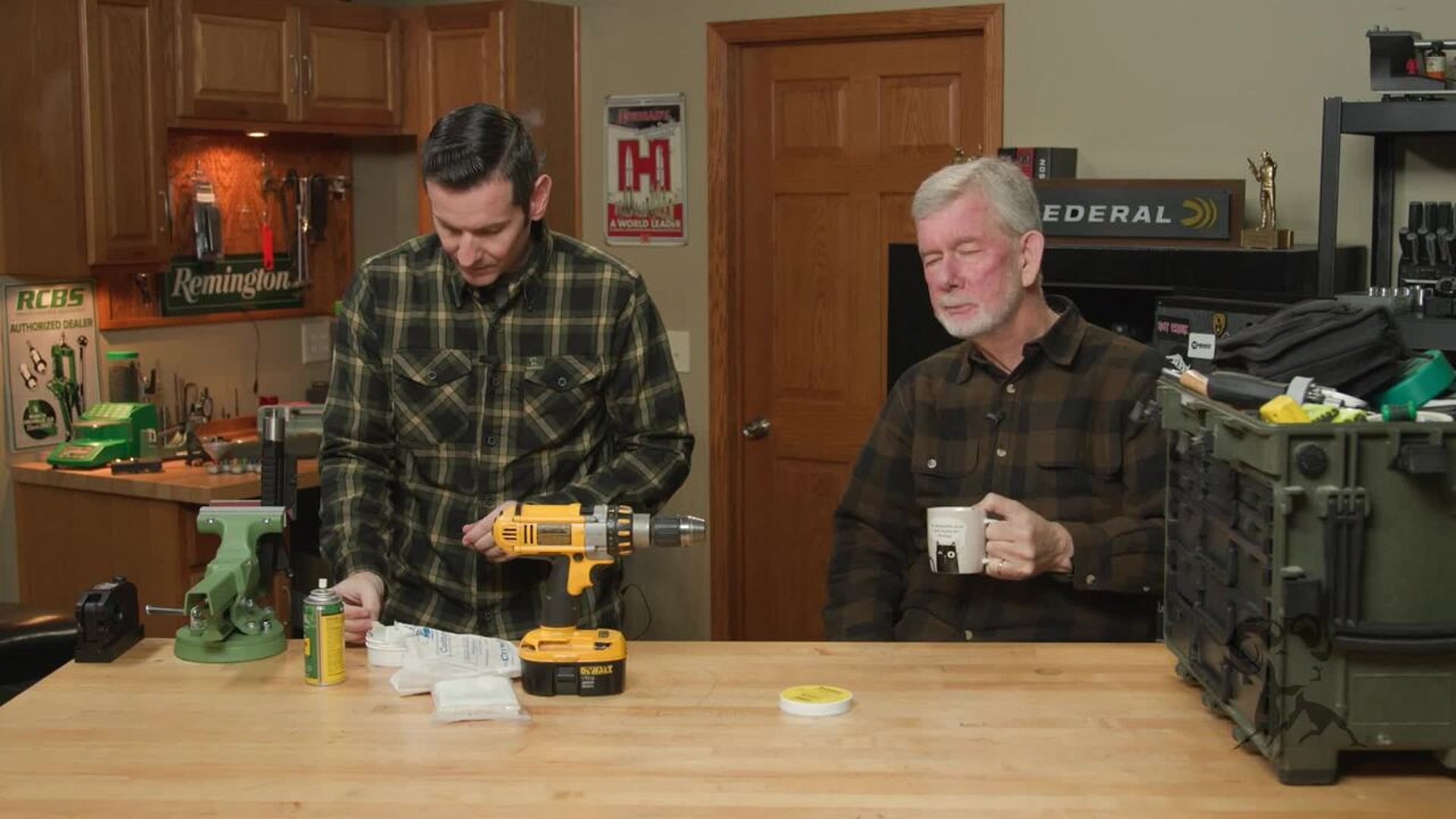
The process requires only a few tools. A hand drill, a receiver lapping tool, and aluminum oxide lapping compound are the essentials. A vise is recommended to hold the receiver securely, although the tool is self-aligning and can be used by hand if necessary.
It is important to use the correct compound. Aluminum oxide is preferred because it will not embed into the aluminum surface. A 600 grit compound provides controlled material removal and reduces the risk of overcutting.
UNDERSTANDING OVERCUTTING
Removing too much material can create problems. Overcutting moves the barrel extension further into the receiver, which can affect bolt lockup and cause excessive wear on internal components. Using a finer grit and checking progress frequently helps prevent this issue.
LAPPING PROCESS STEP BY STEP
The lapping tool is inserted into the receiver, using the internal bore as a guide. The tool is then coated with compound and rotated using a drill. Applying steady downward pressure ensures even contact across the surface.
Running the drill for short intervals is all that is needed. The process does not take long, and frequent inspection is key to achieving the correct result.
WHAT TO LOOK FOR
The goal is to create a consistent contact surface. As material is removed, a clean, shiny ring will appear around the receiver face. This indicates that high spots have been leveled.
You do not need to remove all anodizing. A complete ring around the face confirms that the surface is square and properly trued.
CLEANING AND FINAL PREPARATION
Once lapping is complete, all compound must be removed. Any remaining abrasive can cause wear or damage. A degreaser works well to flush out threads and internal surfaces.
Before installing the barrel, apply a suitable lubricant to the receiver face, barrel extension, and threads. This ensures smooth assembly and helps protect the newly exposed metal.
FINAL THOUGHTS
Lapping an AR-15 receiver is a straightforward process that can enhance accuracy in precision builds. It requires minimal tools and only a small time investment.
For shooters looking to maximize performance, this step helps ensure the barrel is properly aligned and seated, providing a solid foundation for consistent results.