



What Makes A Great Gunsmith Vise
WHAT MAKES A GOOD GUNSMITHING VISE
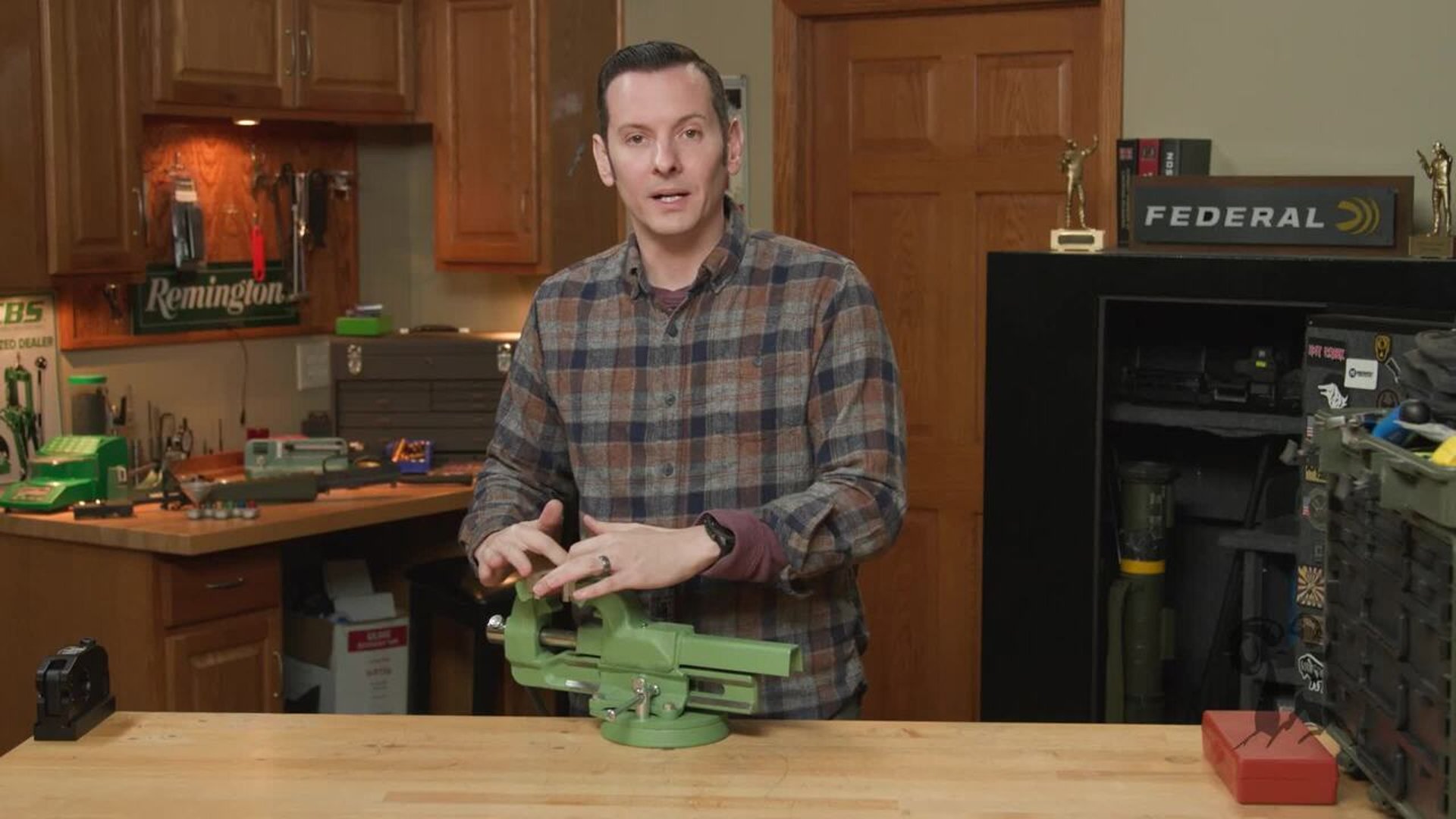
In this Brownells Tech Tip, Caleb takes a close look at one of the most important tools on any gunsmithing bench: the vise. The focus of this video is the Brownells gunsmith vise, but the bigger point is understanding what actually separates a good gunsmithing vise from a more common general-purpose shop vise.
A vise is one of those tools that affects nearly everything you do at the bench. If it flexes, rattles, shifts, or mars parts, it slows down good work and makes precise jobs harder than they need to be. A quality gunsmithing vise should hold securely, stay rigid, protect the workpiece, and support a wide range of tasks without becoming the weak point in the process.
THE BROWNELLS GUNSMITH VISE AND THE HOYER CONNECTION
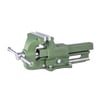
Caleb explains that the Brownells gunsmith vise is built around a Hoyer-made vise from Germany. In practical terms, he describes Hoyer as the European equivalent of a well-known high-end machinist vise brand in the United States. That matters because this vise comes from a design tradition centered on precision, rigidity, and long-term shop use.
He also notes that this style of vise is common in serious European gunsmith and machinist shops, especially higher-end shops doing detailed bench work. That gives some context for why this vise behaves differently from more common cast vises found in basic hardware settings.
The Brownells version is configured specifically for Brownells, including its finish and accessory support. Caleb also points out that Brownells is able to import the vise directly, which helps keep the price lower than other similar imported examples sold elsewhere in the United States.
WHY VISE QUALITY MATTERS
One of the recurring themes in the video is that not all vises are built to the same standard. More affordable vises can be useful for general work, but many of them develop problems quickly when used for detailed gunsmithing. The jaws may flex, the moving jaw may rattle, removable jaw systems may strip out, and the whole tool may feel loose under load.
That matters a lot on firearm work. Gunsmithing often requires careful filing, part fitting, sight work, screw work, or barrel and action support. If the vise moves while the tool stays still, precision goes away fast.
Caleb references outside testing that showed how durable this style of Hoyer vise really is under extreme load, and his point is clear: this is a vise meant to stay solid under serious use.
INTERCHANGEABLE JAWS DONE THE RIGHT WAY
One of the most important features Caleb highlights is the interchangeable jaw system. A good gunsmithing vise needs to do more than clamp bare steel between two hard faces. It should be adaptable to different materials and different jobs.
He contrasts this vise with cheaper jaw systems that screw in from the front, where repeated use can damage the screw heads and make the whole setup frustrating or unreliable over time. On this design, the screws come in from the back and the jaws themselves are tapped. That is a much cleaner and more durable setup.
This matters because a removable jaw system only helps if it stays functional. A better attachment method means the vise can keep doing what it is supposed to do, even after a lot of jaw swaps.
WHY VISE JAW MATERIAL MATTERS
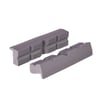
Caleb also spends time on the jaw covers available for this vise. Brownells offers magnetic jaw covers in different materials, including Micarta, rubber, and aluminum in different configurations.
He makes it clear that Micarta is his favorite for most gunsmithing work. It is firm enough to clamp small parts securely, but still gentle enough to avoid damaging finished surfaces. That combination is a big deal on a gun bench. Some materials, like rubber, can be useful, but they may flex too much when trying to hold smaller parts for precise work.
Micarta gives a better balance of grip, control, and protection. That makes it especially useful when holding screws, small steel parts, and delicate components that need to stay still without getting chewed up.
MOUNTING OPTIONS AND WHY THEY MATTER
Another strength of this vise system is the range of base options. Caleb explains that the vise itself can be mounted directly to a bench if the setup is permanent. For a dedicated gunsmithing bench, that is often a very good solution.
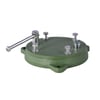
Brownells also offers a swivel base and a clamp-on swivel base. Caleb says the clamp-on version is the one he uses most in the studio because it allows him to move the vise when needed. That flexibility is useful when a workspace has to serve multiple purposes or when other tools, such as a barrel vise, also need space on the bench.
This is a practical point that a lot of people overlook. A vise is not just about jaw quality or strength. It also needs to fit the way the bench is actually used.
THE HYDRAULIC BASE OPTION
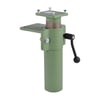
Caleb also shows the hydraulic height-adjustable base. This is a more specialized accessory, but it offers a real advantage in certain shop environments. If the work changes enough that the vise needs to move up and down for different jobs, the hydraulic base can make the bench much more versatile.
It is not something every user will need, but it is a good example of how the vise system can grow with the type of work being done. Some setups benefit from a permanently fixed vise. Others need more flexibility. This system supports both.
JAW OPENING, WIDTH, AND REAL-WORLD USE
Caleb covers the vise dimensions as well, pointing out that the jaw opening is a little over 6 inches and the jaw width is just under 5 inches. For gunsmithing, that is more than enough for most bench jobs.
That point matters because many people assume bigger is always better in a vise. On a gunsmithing bench, that is not necessarily true. You need enough capacity for actions, stocks, fixtures, and general part work, but you also want precision, support, and control. This vise hits that balance well.
He notes that he used a 4-inch machinist vise for a long time and got a lot done with it. His point is not that every job requires a giant vise. It is that this one has the capacity needed for firearm work while still behaving like a precision tool.
RIGIDITY AND ADJUSTABLE TENSION
One of the more important features Caleb mentions near the end of the video is the lack of jaw rattle. That is a major weakness in many cheaper vises. If you grab the moving jaw on a low-end vise, it often shifts noticeably. That movement becomes a problem anytime you are trying to hold something straight and stable.
This vise includes adjustable tension, which lets the user fine-tune how tightly the moving jaw rides in the frame. That helps keep everything feeling solid and controlled. Caleb also explains that the internal beam and frame design create multiple contact points, which is part of why the vise stays so rigid under load.
That kind of mechanical stability is exactly what makes a true gunsmithing vise feel different in use.
A SMALL SHOP TRICK THAT MAKES A BIG DIFFERENCE
Caleb also points out a simple trick he uses on his vise: a button magnet stuck to the side for holding screws and small parts. It is a small detail, but it fits the overall theme of the video. A good vise is not just a clamp. It becomes part of the workflow on the bench.
Little details like that help keep jobs organized, especially when working with small screws that are easy to lose during disassembly or fitting work.
FINAL THOUGHTS ON WHAT MAKES A GOOD GUNSMITHING VISE
This video does a good job showing that a gunsmithing vise is more than a generic shop tool. A good one needs to be strong, rigid, adaptable, and precise. It should accept useful jaw options, hold parts without shifting, and fit the way the bench is actually used.
The Brownells gunsmith vise stands out because it checks those boxes. It offers a durable Hoyer foundation, a smart interchangeable jaw setup, useful base options, strong overall construction, and the kind of rigidity that matters in real bench work.
For anyone building a dedicated gunsmithing setup or upgrading from a basic vise, this walkthrough gives a clear picture of what features are actually worth looking for and why they matter once the work starts.