



Vortex Pro Torque Wrench
𝗢𝗩𝗘𝗥𝗩𝗜𝗘𝗪 𝗢𝗙 𝗧𝗛𝗘 𝗩𝗢𝗥𝗧𝗘𝗫 𝗣𝗥𝗢 𝗧𝗢𝗥𝗤𝗨𝗘 𝗪𝗥𝗘𝗡𝗖𝗛
Caleb from Brownells is on the bench with a straightforward tool review: the Vortex Pro Torque Wrench. This is a standard inch-pound torque wrench intended for the most common firearm fasteners, including scope ring screws, scope base screws, and handguard hardware. If you are working on AR-15s, bolt guns, older rifles, or anything with screws that need consistent torque, this tool is built for that job.
Right away, Caleb notes the tool comes packaged in a protective tube and includes a separate bit holder with multiple drivers. The first impression is weight and rigidity. It does not feel flimsy. It feels like a real shop tool you can trust.
𝗖𝗔𝗟𝗜𝗕𝗥𝗔𝗧𝗜𝗢𝗡 𝗖𝗘𝗥𝗧𝗜𝗙𝗜𝗖𝗔𝗧𝗘 𝗔𝗡𝗗 𝗪𝗛𝗬 𝗜𝗧 𝗠𝗔𝗧𝗧𝗘𝗥𝗦
One of the standout inclusions is a certificate of calibration. That matters because torque tools are only useful if they are accurate. The certificate shows the tool was calibrated and met the required standards at the time it left the factory. Caleb’s take is simple: every torque wrench should include this documentation, and it is a big value add when it does.
An instruction manual is also included, but the tool is easy to run once you understand how the head locks and how the setting scale works.
𝗪𝗛𝗔𝗧 𝗧𝗛𝗜𝗦 𝗧𝗢𝗥𝗤𝗨𝗘 𝗪𝗥𝗘𝗡𝗖𝗛 𝗖𝗔𝗡 𝗗𝗢 𝗢𝗡 𝗚𝗨𝗡𝗦
Caleb frames this as an all-around firearm torque wrench. It can be used for:
- Scope ring screws
- Scope base screws
- AR-15 scope mounts
- Handguard screws and other common fasteners
The goal is repeatable torque that prevents loose hardware without over-tightening and damaging threads, stripping screws, or stressing mounts.
𝗜𝗡𝗖𝗟𝗨𝗗𝗘𝗗 1/2-𝗜𝗡𝗖𝗛 𝗗𝗥𝗜𝗩𝗘𝗥 𝗔𝗧𝗧𝗔𝗖𝗛𝗠𝗘𝗡𝗧
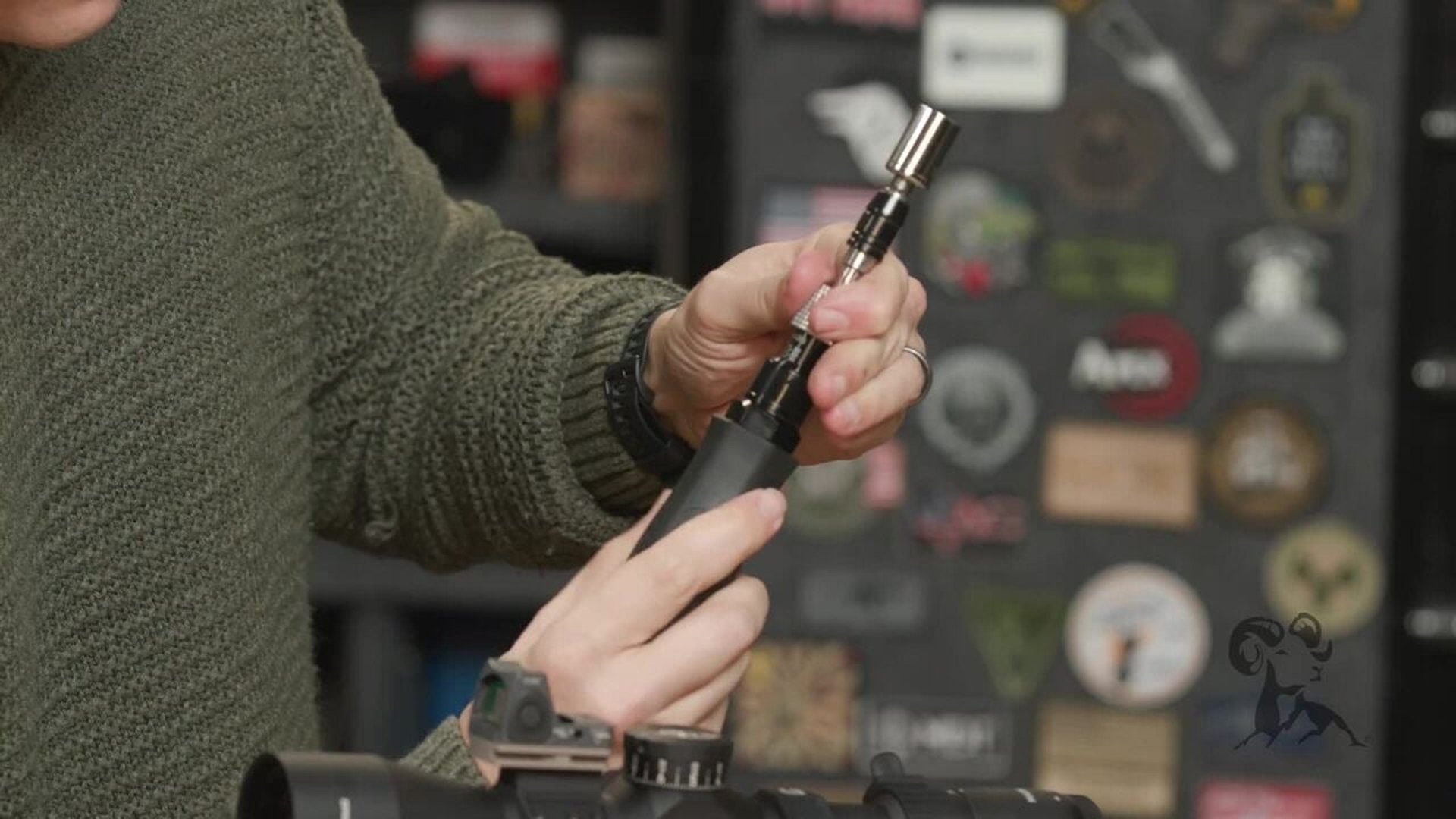
A practical feature Caleb calls out is the included 1/2-inch driver attachment. Many scope bases, especially AR-15 style one-piece mounts, use a 1/2-inch nut or bolt head. Having the driver in the kit means you are not forced to hunt for adapters or switch tools just to torque a mount correctly. Caleb uses a Badger Ordnance style mount as an example of that common 1/2-inch interface.
𝗛𝗢𝗪 𝗧𝗢 𝗔𝗧𝗧𝗔𝗖𝗛 𝗧𝗛𝗘 𝗗𝗥𝗜𝗩𝗘𝗥 𝗔𝗡𝗗 𝗦𝗘𝗧 𝗜𝗡𝗖𝗛-𝗣𝗢𝗨𝗡𝗗𝗦
The wrench head locks into attachments. Caleb shows that the head moves forward slightly to secure the driver. Once it is seated, you can set torque using the knurled adjustment collar.
The scale is in inch-pounds. To adjust:
- Pull down on the knurled section
- Rotate until the desired inch-pound value lines up
Caleb demonstrates dialing up from a low setting and sets an example value of 65 inch-pounds for a scope base fastener, walking through the scale so you can land exactly on the number you need.
𝗩𝗘𝗥𝗜𝗙𝗬𝗜𝗡𝗚 𝗧𝗢𝗥𝗤𝗨𝗘 𝗢𝗡 𝗔 𝗠𝗢𝗨𝗡𝗧
Before putting the tool on the gun, Caleb locks the bolt back to confirm the firearm is clear. He then places the driver on the base fastener and applies pressure until the wrench gives or clicks, indicating the torque setting has been reached. This is a simple way to confirm your fasteners are where they should be without guessing.
To remove the driver, he pushes forward on the head and the attachment pops out.
𝗛𝗔𝗡𝗗𝗚𝗨𝗔𝗥𝗗 𝗦𝗖𝗥𝗘𝗪𝗦, 𝗕𝗜𝗧 𝗦𝗘𝗟𝗘𝗖𝗧𝗜𝗢𝗡, 𝗔𝗡𝗗 𝗛𝗜𝗚𝗛𝗘𝗥 𝗧𝗢𝗥𝗤𝗨𝗘
Next, Caleb moves to handguard hardware, using a Geissele Mk18 handguard as an example that requires higher torque. He sets the wrench to 75 inch-pounds, selects the appropriate hex bit from the included set, and torques the screw until the wrench indicates the correct value.
The kit includes common Torx and hex sizes, plus a flat bit. That makes it useful for a wide range of optic mounts and firearm hardware without needing an extra bit kit right away.
Once hardware is torqued, Caleb notes you can add witness marks if you want a quick visual indicator for movement over time.
𝗪𝗛𝗔𝗧 𝗡𝗢𝗧 𝗧𝗢 𝗗𝗢 𝗔𝗡𝗗 𝗛𝗢𝗪 𝗧𝗢 𝗦𝗧𝗢𝗥𝗘 𝗜𝗧
Caleb gives two important torque wrench rules:
Do not use this torque wrench to loosen bolts. This is a drive-in-one-direction tool intended for right-hand threads and torque application, not breaking fasteners loose.
𝗪𝗥𝗔𝗣-𝗨𝗣
Caleb closes by calling the Vortex Pro Torque Wrench a solid addition to the toolbox for anyone mounting optics, checking base torque, or maintaining consistent fastener torque on rifles. If viewers have experience with the tool or need help selecting torque settings and hardware, he points them to the comments and the Brownells tech line for support.