



Product Spotlight: Top Precision Rifle Bipods
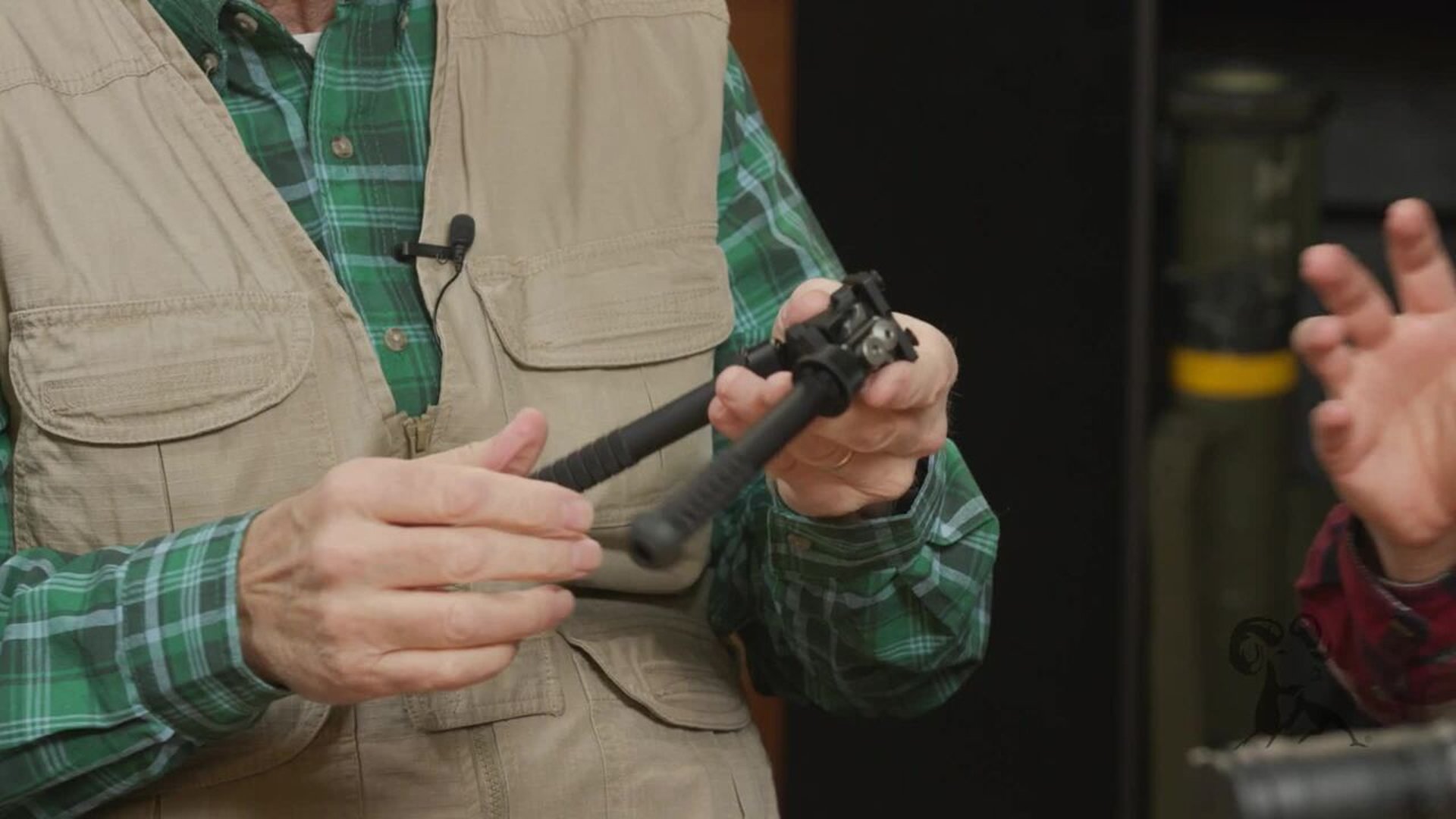
Steve and Caleb from Brownells take a close look at one of the most overlooked components in precision rifle shooting: the bipod. While shooters spend significant time choosing rifles, optics, and ammunition, the bipod often gets less attention even though it supports the entire rifle system.
A bipod is not just an accessory. It is a load bearing component that directly affects stability, recoil control, and accuracy. Choosing the right bipod matters.
Harris Bipods and Traditional Mounts
The conversation starts with the classic Harris bipod. This design has been around for decades and remains popular for good reason. Harris bipods are simple, durable, and proven. Traditionally mounted to sling swivel studs, they are now available for Picatinny, M-LOK, and other modern interfaces.
While technology has moved forward, Harris bipods still work just as well as they always have. They fall into a medium to lower price range and remain a solid choice for many shooters.
MDT Precision Rifle Bipods with ARCA Mounts
Moving up in price and features, Steve and Caleb discuss MDT precision rifle bipods designed specifically for long range shooting. These bipods offer ARCA mounting, quick deployment legs, adjustable angles, and interchangeable feet.
The design emphasizes strength, stability, and repeatability. Machined aluminum and steel construction keeps weight reasonable while maintaining durability. These bipods are built for shooters who demand consistency from shot to shot.
Lightweight MDT Bipods for Field Use
MDT also offers lightweight bipods using polymer and carbon fiber components while retaining steel and aluminum in high stress areas. These bipods are ideal for hunters and shooters building lightweight rifles without sacrificing reliability.
They offer quick adjustment, textured controls, and compatibility with common bipod feet systems. For rifles where weight matters, this is a strong balance between durability and portability.
Bipod Feet and Terrain Considerations
Steve and Caleb explain that bipod feet selection depends heavily on terrain. Rubber feet work well for most shooting. Aggressive feet are useful for loose dirt, rocks, or uneven ground.
Many bipods accept interchangeable feet, with Atlas style feet being among the most common across different manufacturers.
Atlas Bipods and Machined Performance
Atlas bipods are highlighted for their strength to weight ratio. Precision machining allows tight tolerances, reduced wobble, and excellent durability.
Shooters pay for materials, machining quality, and longevity. Atlas bipods are light for how strong they are and hold up well under hard use.
Why Cheap Bipods Fail
A key takeaway from the discussion is that bipods fail before rifles or optics. Under recoil, movement, and pressure, cheap bipods bend, loosen, or break.
If you invest in a quality rifle and optic, pairing them with a cheap bipod limits performance and risks failure. A bipod is not the place to cut corners.
Magpul Bipods and Polymer Design
Magpul bipods offer a more affordable option using reinforced polymer with an internal aluminum structure. While there is more movement compared to high end precision bipods, they perform well for most shooters.
They are lightweight, durable, and available in multiple mounting options including M-LOK and Picatinny.
Warne Bipods as an Affordable All Metal Option
Warne bipods provide an all metal alternative at a lower price point. Made primarily from aluminum with steel in critical areas, they are well suited for AR-15 setups and general purpose rifles.
They fall into a practical height range that works well for prone shooting and common rifle configurations.
Accu-Tac Bipods for Heavy Precision Rifles
At the high end, Accu-Tac bipods are built for maximum stability. With wide stances, aggressive locking teeth, and ARCA mounting, they provide one of the most stable shooting platforms available.
Despite their size, they are lighter than they appear and excel on heavier rifles used for long range and competition shooting.
Final Thoughts on Choosing a Bipod
Steve and Caleb close by reinforcing a simple rule. Do not put a cheap bipod on a quality rifle and optic. Every component in the shooting system works together.
A good bipod supports accuracy, protects equipment, and improves confidence behind the rifle. Choose one that matches your rifle, shooting style, and terrain.