



Product Spotlight : What to Keep In Your Range Bag w/ Jude and Caleb
Range Bag Essentials From Real Range Use
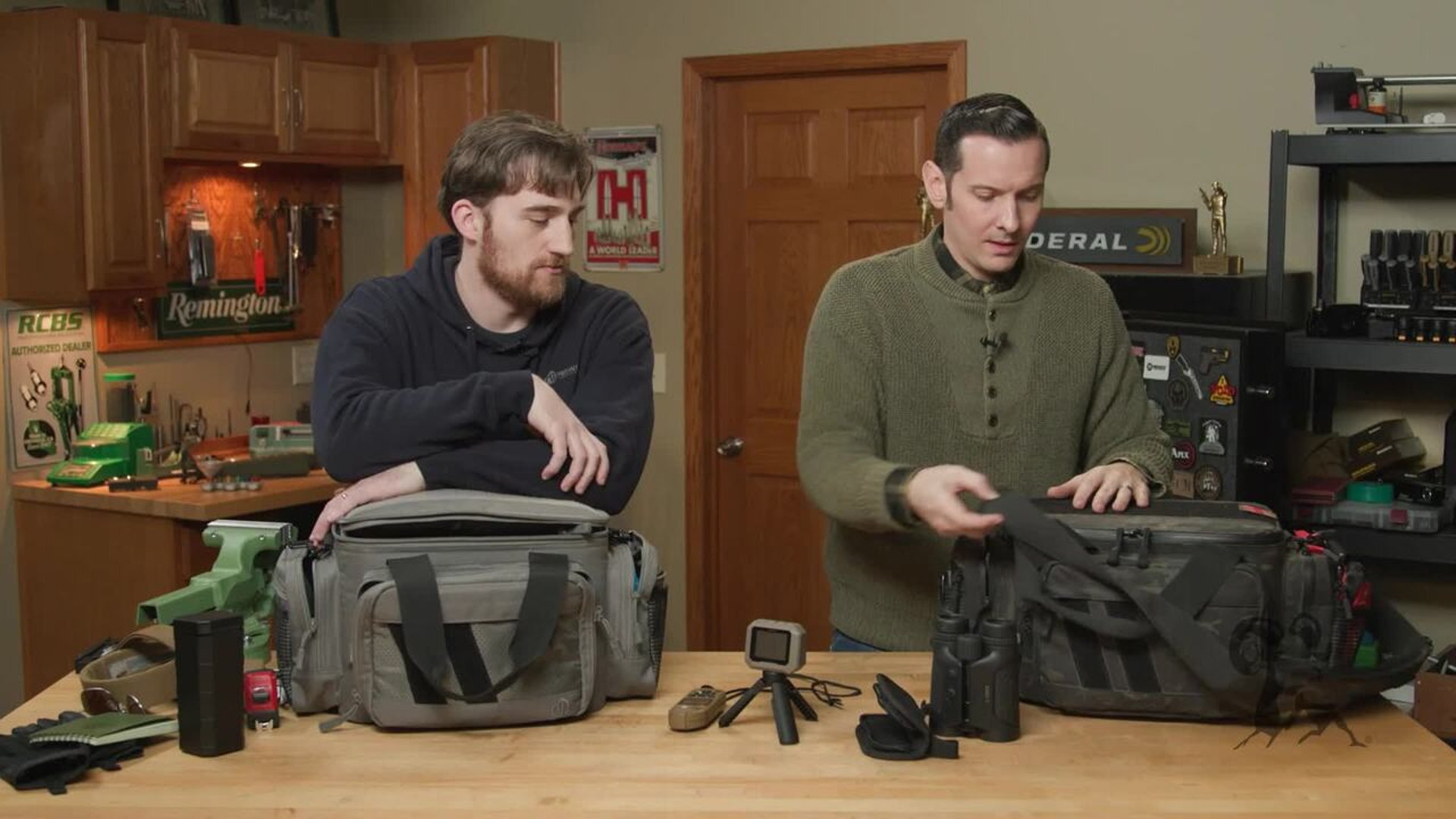
In this Brownells Tech Tip, Caleb and Jude go through the actual contents of their range bags and explain why each item made the cut. This is not a theory video. It is a real-world look at the gear they carry for range trips, zeroing optics, helping new shooters, and solving minor problems on the spot.
The biggest takeaway is simple. A good range bag should support the way you actually shoot. It should help with safety, basic maintenance, simple adjustments, and the kind of small issues that show up during a normal day on the range.
JUDE’S RANGE BAG SETUP
Jude starts with a practical setup built around common range needs. He keeps quality eye protection for himself, extra gloves for cold weather, and small high-visibility targets that are easy to pack and quick to use. He also carries a handheld rangefinder, which is useful for confirming distances during setup and zeroing.
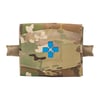
He keeps a medical kit with a tourniquet and chest seal, along with other essentials that make sense for a day at the range. That reflects a good mindset. A range bag should not just carry shooting gear. It should also support basic safety and emergency response.
Jude also mentions something many shooters will relate to. A lot of the time, the range bag stays in the truck until it is needed. That means the bag has to be ready to solve problems without needing to run back home for forgotten gear.
NOTEPADS, PASTERS, AND SMALL RANGE TOOLS
One of the more useful parts of Jude’s setup is the inclusion of a notepad. If you are working on precision rifle zero, tracking point of impact, or recording adjustments, writing things down matters. Even a simple pocket notebook can make a big difference when you are trying to stay organized.
He also carries pasters, a tape measure, and a sling. These are not flashy items, but they are the kind of things that get used all the time. Pasters are cheap, compact, and perfect for extending target life. A tape measure is useful for all kinds of setup work. A sling is one of those items that can easily get overlooked until you need it.
EXTRA EYE PRO, CLEANING GEAR, AND STAPLES
Jude keeps extra safety glasses in his range bag for other people. That is a smart move, especially if you regularly bring friends or first-time shooters to the range. He also keeps lens cleaning supplies on hand, which helps when glasses or optics get dusty or smudged.
Staples are another small but important item. If you shoot on paper targets, you go through staples fast. Even if the range usually has them available, carrying your own is a good habit.
LUBE, GREASE, TOOLS, AND CLEANING SUPPLIES
Further inside the bag, Jude carries CLP, gun grease, assorted hand tools, extra Allen keys, punches, and a compact cleaning kit. This is exactly the type of gear that lets you keep a range trip going when something needs a quick adjustment or a minor repair.
He also keeps pliers or channel locks in the bag, which can help with all kinds of unexpected tasks. It is not about building a full shop in your range bag. It is about having enough to handle the common problems that show up in the field.
CALEB’S RANGE BAG APPROACH
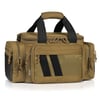
Caleb uses the same Savior Equipment bag, but his setup is more built out and more specialized. He has been refining it over several years, adjusting the contents based on actual range experience. That is a good reminder that the best range bag is not static. It evolves with your needs.
He begins with the outside of the bag, which includes a clearly marked medical side. This section is set up for fast access and better organization, which matters when medical gear is involved.
MEDICAL GEAR AND TRAUMA SUPPLIES
On the outside of his bag, Caleb keeps trauma shears and a smaller basic first aid kit for minor injuries. That handles the everyday side of first aid, including small cuts, scrapes, and similar problems.
He also carries a dedicated trauma kit with more serious medical equipment. That gives him both levels of preparedness. He has gear for the small stuff and gear for the problems that require an immediate response.
This is a strong example of how to organize a range bag for safety. Medical supplies should be easy to find, easy to identify, and separated in a way that makes sense under stress.
PRECISION RIFLE TOOLS AND DATA GEAR
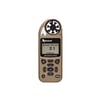
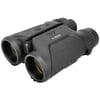
One of the most interesting parts of Caleb’s setup is his dedicated precision shooting pocket. This includes a Garmin chronograph, a Kestrel, and rangefinding binoculars. Together, those tools let him gather muzzle velocity, distance, weather conditions, and ballistic data in one range session.
With that information, he can build a dope chart for a shooter as long as he knows the caliber and projectile data. That makes this setup especially useful for long-range rifle work and for helping other shooters get better first-round hit probability.
This part of the bag is more advanced than what many shooters need, but it shows how a range bag can support much more than just basic gear transport.
TARGETS, EAR PRO, AND SUPPORT GEAR
Inside the main section, Caleb keeps paper targets, over-ear hearing protection, and a support bag for precision rifle shooting. He also mentions using in-ear electronic hearing protection during warmer months, which shows the value of adjusting gear for conditions.
His support bag is a practical addition for prone shooting, barricade work, and general rifle stability. For anyone doing precision rifle work, a good support bag belongs in the range bag right alongside ammo and data gear.
SHOT TIMERS AND TRAINING TOOLS
Caleb also carries two shot timers, including one he uses for coaching youth shooting sports. This is another useful reminder that a range bag can reflect how you train, not just what you shoot.
A shot timer is one of the most effective tools for measuring progress in practical shooting. Whether you are working on draw speed, split times, transitions, or movement, a timer turns practice into measurable performance.
RECHARGEABLE BATTERIES AND POWER MANAGEMENT
Another strong detail in Caleb’s setup is battery management. He keeps rechargeable AA and AAA batteries in the bag, along with gear that charges over USB-C. That is a practical solution for hearing protection, timers, and other electronics.
Range bags increasingly need to support powered gear. Red dots, electronic ear pro, chronographs, weather meters, and timers all rely on batteries. Having backup power in the bag keeps the day moving when something dies unexpectedly.
FIELD TOOLS AND OPTIC ADJUSTMENT TOOLS
Caleb’s tool section is more organized and more specialized than Jude’s. He carries Torx drivers, punches, optic tools, a front sight tool, magnet-tip drivers, Allen keys, and compact adjustment tools for optics. This setup reflects the kind of work he actually does at the range, including optic mounting, retorquing screws, and making field adjustments.
He also mentions that he stopped carrying a hammer because he rarely used it at the range. That is another useful lesson. A good range bag should not be overloaded. If an item never gets used, it may not need to stay in the bag.
WHAT BOTH RANGE BAGS GET RIGHT
Even though Caleb and Jude organize their gear differently, their bags have a lot in common. Both setups prioritize safety, simple maintenance, extra eye protection for guests, and the tools needed to fix minor issues. Both are built around real use rather than wish lists.
That is what makes this video helpful. It shows two realistic approaches to the same problem. One setup is more straightforward and general-purpose. The other is more developed for training, precision rifle work, and helping other shooters on the line.
FINAL THOUGHTS ON BUILDING A BETTER RANGE BAG
The best range bag is the one that supports your style of shooting without weighing you down with unnecessary gear. If you shoot pistols, rifles, or a mix of both, the basics stay the same. You need safety gear, support gear, basic tools, and a few problem-solving items that keep a range trip productive.
This video gives a strong starting point for anyone building a range bag from scratch or refining an old setup. Whether you lean more toward Jude’s simple, useful loadout or Caleb’s more advanced system, the goal is the same. Be prepared, stay organized, and keep the gear on hand that actually earns its place in the bag.